Perfect Preservation of the Quran Doesn’t Hold Up
3. Perfect Preservation of the Quran Doesn’t Hold Up
“It is certainly We Who have revealed the Reminder, and it is certainly We Who will preserve it.” Quran 15:9
Uthman’s burning of variant Qurans
Authentic hadiths show even Muhammad’s best reciters had different Qurans and caliph Uthman ordered them all to be burnt:
-
Sahih Bukhari 4999: “I shall ever love that man, for I heard the Prophet (ﷺ) saying, ‘Take (learn) the Qur’an from four: Abdullah bin Mas’ud, Salim, Mu’adh and Ubai bin Ka’b.’”
-
Sahih Bukhari 5005: “Umar said, Ubayy was the best of us in the recitation (of the Qur’an) yet we leave some of what he recites. Ubayy says, ‘I have taken it from the mouth of Allah’s Messenger (ﷺ) and I will not leave it for anything.’”
-
Sahih Bukhari 4987: “Hudhaifa was afraid of their differences in the recitation of the Qur’an,” so Uthman “ordered that all the other Qur’anic materials, whether written in fragmentary manuscripts or whole copies, be burnt.”
Sanaa manuscript
The Sanaa manuscript is a parchment with two different versions of the Quran found in Yemen in 1972 and radiocarbon dated to 578-669 CE. The first version was scraped off and a second (the modern Quran) was written over it. Under ultraviolet light, both are visible.
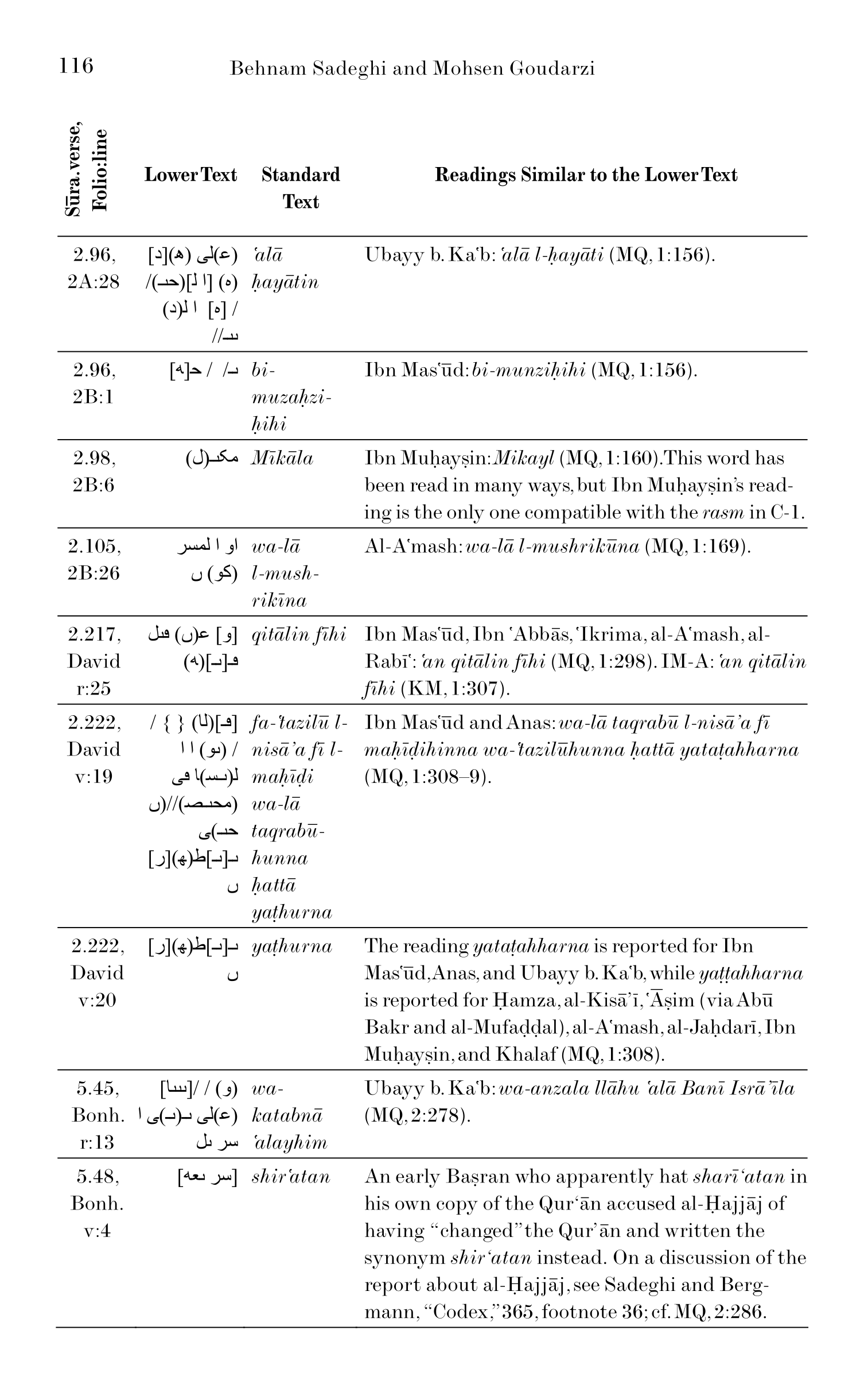
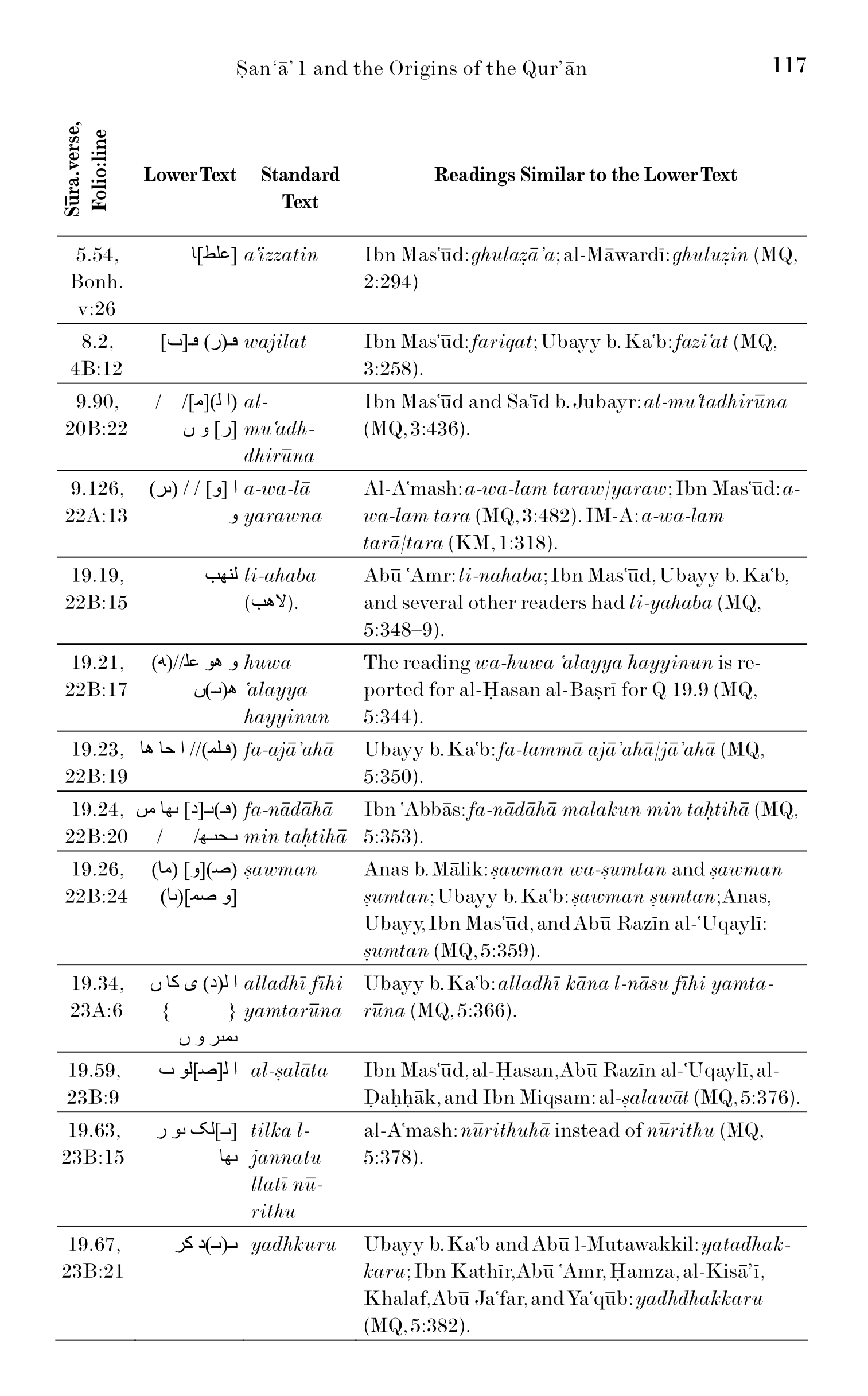
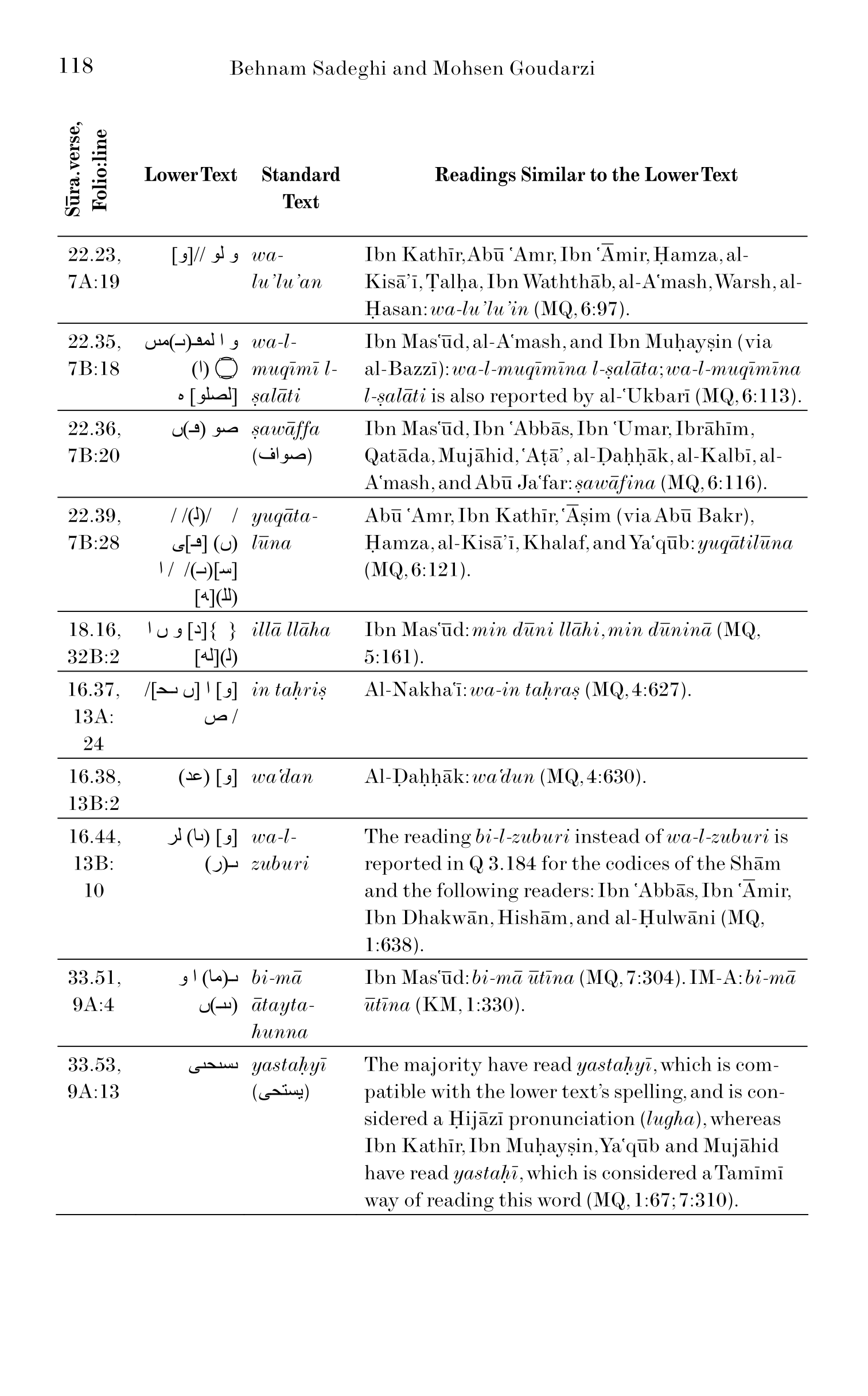
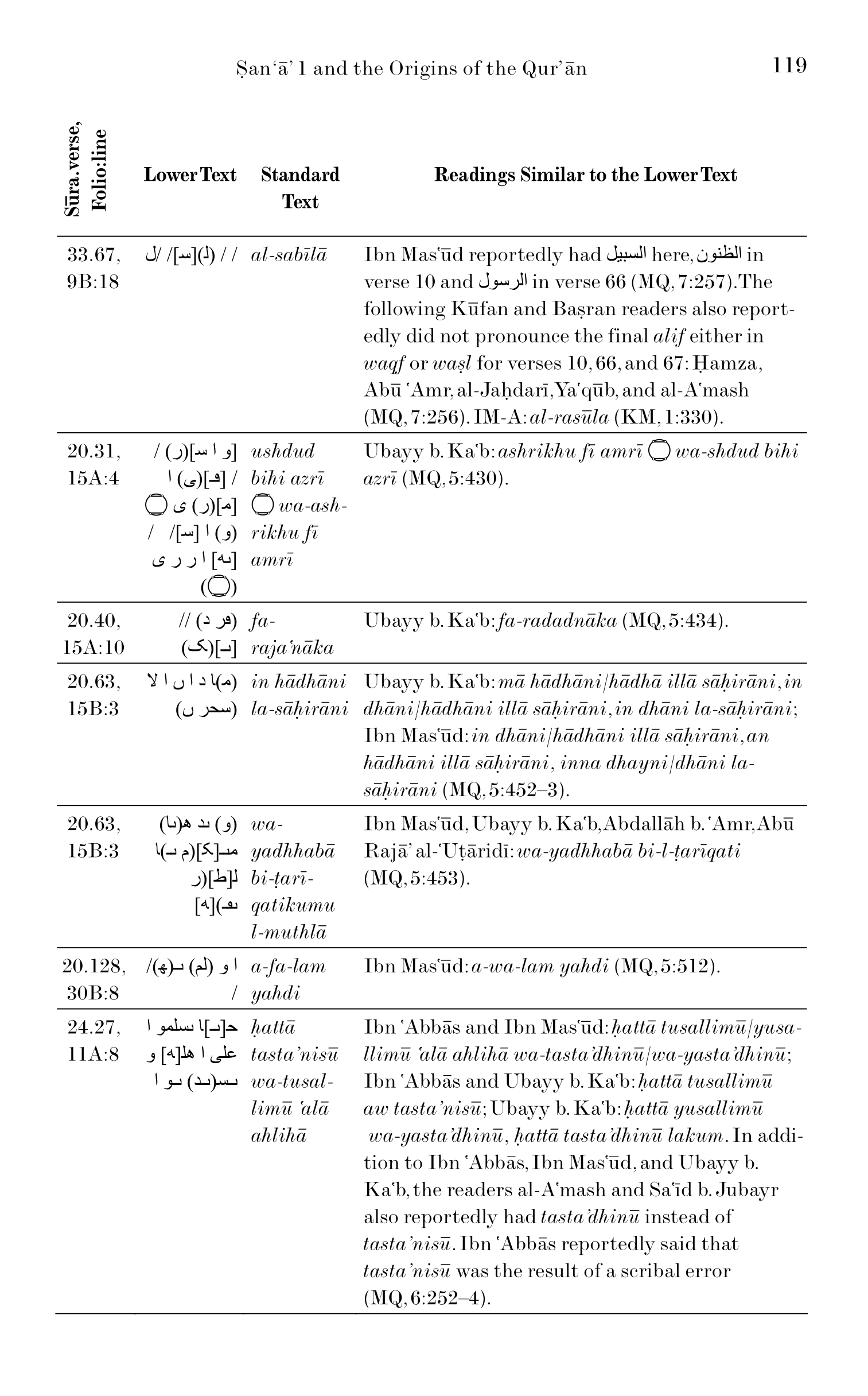
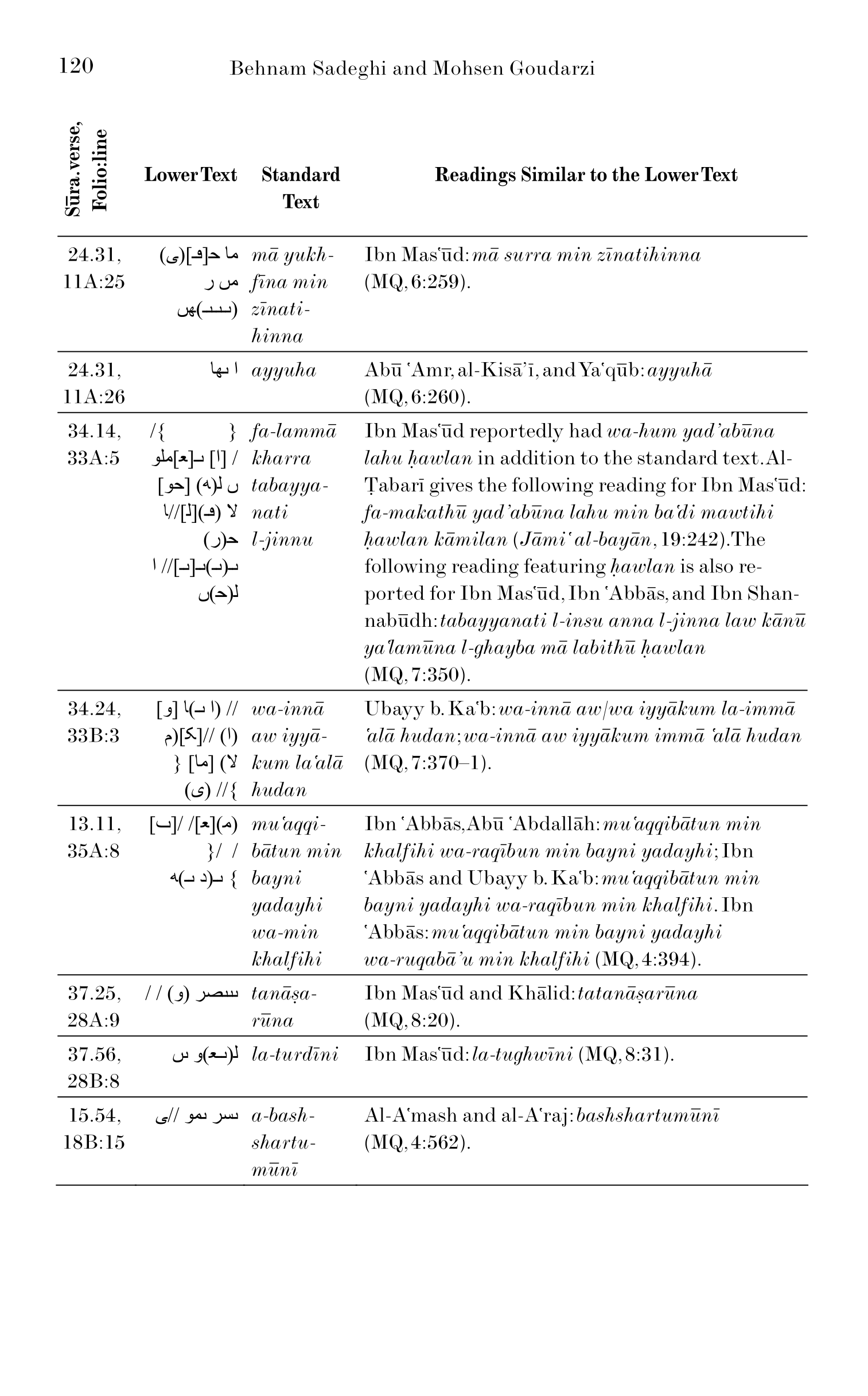
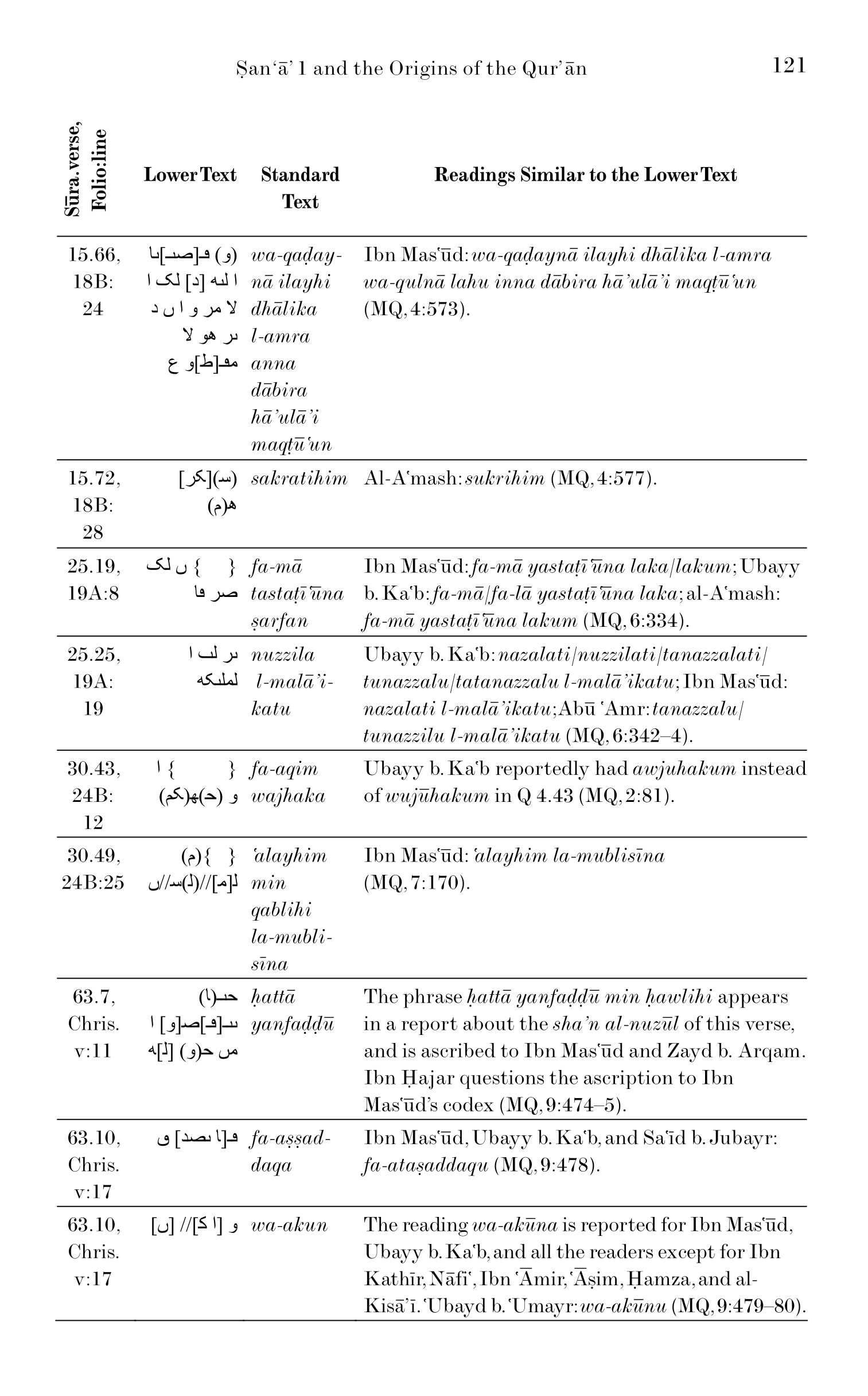
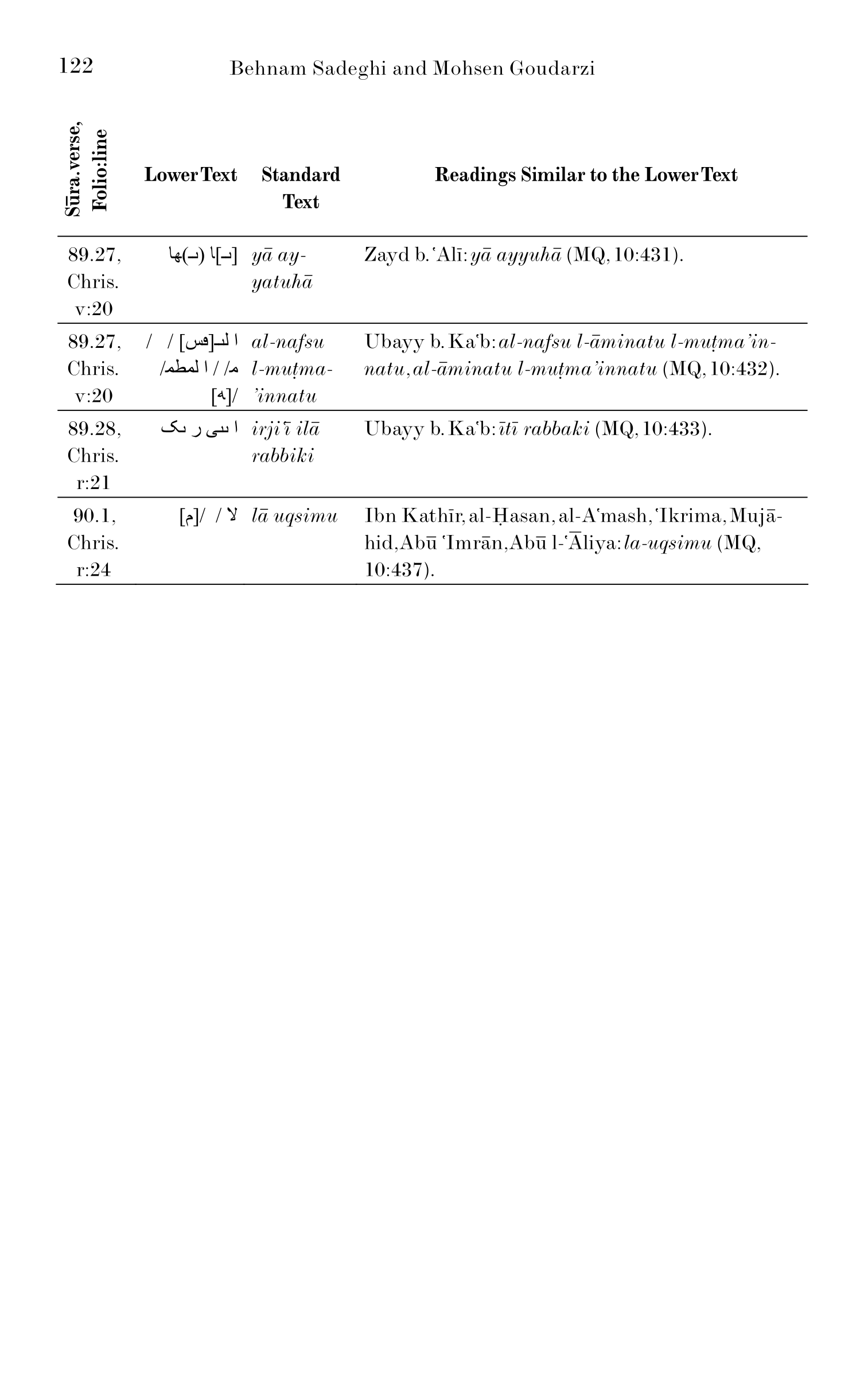
The original Harvard/Stanford study cites Sanaa 1 as a parallel textual tradition and as evidence for the rival Companion codices of Ubayy and Ibn Mas’ud reported by Islamic sources:
“The lower text of Ṣan‘ā’ 1 is at present the most important document for the history of the Qur’ān. As the only known extant copy from a textual tradition beside the standard ‘Uthmānic one, it has the greatest potential of any known manuscript to shed light on the early history of the scripture. Comparing it with parallel textual traditions provides a unique window onto the initial state of the text from which the different traditions emerged.” Sadeghi et al. “Ṣan’ā’ 1 and the Origins of the Qur’ān.” (Harvard/Stanford), p. 1
“Ṣan‘ā’ 1 constitutes direct documentary evidence for the reality of the non-‘Uthmānic text types that are usually referred to as ‘Companion codices.’” Sadeghi et al. “Ṣan’ā’ 1 and the Origins of the Qur’ān.” (Harvard/Stanford), p. 19
“the ordering is closer to those of Ibn Mas‘ūd and Ubayy b. Ka‘b than to that of ‘Uthmān.” Sadeghi et al. “Ṣan’ā’ 1 and the Origins of the Qur’ān.” (Harvard/Stanford), p. 24
Sanaa (C-1) Surah Order Closer to Rival Codices of Ubayy and Ibn Mas’ud

Sanaa (Lower Text) Readings Similar to Rival Codices of Ubayy and Ibn Mas’ud
1 / 7
Examples of major variants:
They are the ones who say, “Do not spend (alms) on those who are with the Messenger of God
They are the ones who say, “Do not spend (alms) on those who are with the Messenger of God
in order that they may disperse
in order that they may disperse
from around him
.”
.”
Do not shave
Do not shave
your heads
until the offering reaches its destination.
until the offering reaches its destination.
There are people who say, “Our Lord, give us in this world,” and they have no portion in the world to come.
There are people who say, “Our Lord, give us in this world,” and they have no portion in the world to come.
Then, there are those who say, “Our Lord, give us
Then, there are those who say, “Our Lord, give us
good in this world and good in the next.”
in this world and the next.”
1 / 5
Examples of Major Variants in Sanaa (C-1)

“Against this, one might object that the transmission of the Qur’ān would have required a high standard of memorization, and, therefore, perhaps memorization could convey the text with precision. The objection is moot to a degree, however, given that the C-1 [Sanaa lower text] variants show that the text was in fact not transmitted precisely.
Besides, the thousand or so pointing and vocalization variants of the written ‘Uthmānic text highlight the fallibility of oral transmission, and certain ‘Uthmānic variant readings presuppose a written skeletal text that was on occasion read seemingly without a memory of the spoken form: take ‘inda versus ‘ibād in Q 43.19, yaquṣṣu versus yaqḍi in Q 6.57, and yusayyirukum versus yanshurukum in Q 10.22.”
Sadeghi et al. “Ṣan’ā’ 1 and the Origins of the Qur’ān.” (Harvard/Stanford), p. 26
Oxford Study: Not Scribal Exercise but Complete Scriptural Codex
“It seems, then, that the lower layer of the palimpsest, whether or not it included the full text of the Quran as presently known, contained a run of entire suras arranged in a way that was commonly applied in quranic codices. Such a sequential succession of verses and suras is not what one would expect of a disparate selection of quranic material copied out as a scribal exercise, but is entirely consonant with the process of producing a complete scriptural codex (muṣḥaf). ... It seems preponderantly likely, hence, that the scribe or scribes who produced both layers of the palimpsest were engaged in the project of copying out an entire Quran.” Nicolai Sinai, “Beyond the Cairo Edition,” p. 204
Further Scholarship
“The analysis conducted here demonstrates that the fragments did indeed form a complete codex, and one which when reconstructed reveals an early non-ʿUṯmānic text, sharing some similarities with the so-called ‘Companions’ codices’” Cellard, “The Ṣanʿāʾ Palimpsest: Materializing the Codices,” p. 1
“Ibn Masʿūd’s dissent had echoes in the fourth/tenth century, with copies derived from his codex still circulating. Similar information is transmitted by Ibn Qutayba who reports in the third/ninth century that Qurʾanic copies diverging from the canonical text were still found. The Codex Ṣanʿāʾ I, based on a textual tradition which was not altogether eliminated in Umayyad times, confirms the reports of the tradition. Although their historicity can be questioned at some points, their concern with literacy underlines its importance for the first generations of Muslims. All these facts point to a plural written transmission during the first century of Islam—one which survived well into the fourth/tenth century.” Déroche, “Qurʾans of the Umayyads: A First Overview,” p. 137
Printed Qurans Still Differ (Quran.com)
There are thousands of variants in different Qurans printed today:
Qiraat on Quran.com (Click “Next Juncture”)
Here are 67 from Quran.com:
“But you [Muhammad] are amazed, while they mock,” Quran 37:12 Hafs
“But I [Allah] am amazed, while they mock,” Quran 37:12 Variant (Quran.com)
“He said, "I am only the messenger of your Lord so I [the angel] may bestow upon you a pure boy [i.e., son]."” Quran 19:19 Hafs
“He said, "I am only the messenger of your Lord so He [Allah] may bestow upon you a pure boy [i.e., son]."” Quran 19:19 Variant (Quran.com)
“Say, "If Allāh had willed, I would not have recited it to you, and (so) He would not have made it known to you, for I had remained among you a lifetime before it. Then will you not reason?"” Quran 10:16 Hafs
“Say, "If Allāh had willed, I would not have recited it to you, and He would have made it known to you (through other means), for I had remained among you a lifetime before it. Then will you not reason?"” Quran 10:16 Variant (Quran.com)
“O you who have believed, when you rise to [perform] prayer, wash your faces and your forearms to the elbows and wipe over your heads and wash your feet to the ankles.” Quran 5:6 Hafs
“O you who have believed, when you rise to [perform] prayer, wash your faces and your forearms to the elbows and wipe over your heads and wipe your feet to the ankles.” Quran 5:6 Variant (Quran.com)
“And he [i.e., Muḥammad (ﷺ)] is not a withholder of [knowledge of] the unseen.” Quran 81:24 Hafs
“And he [i.e., Muḥammad (ﷺ)] is not to be doubted concerning [knowledge of] the unseen.” Quran 81:24 Variant (Quran.com)
“The companions of the thicket [i.e., the people of Madyan] denied the messengers” Quran 26:176 Hafs
“The companions of Laykah [i.e., the people of Madyan] denied the messengers” Quran 26:176 Variant (Quran.com)
“We do not abrogate a verse or cause it to be forgotten except that We bring forth [one] better than it or similar to it. Do you not know that Allāh is over all things competent?” Quran 2:106 Hafs
“We do not abrogate a verse or delay it except that We bring forth [one] better than it or similar to it. Do you not know that Allāh is over all things competent?” Quran 2:106 Variant (Quran.com)
“And whoever among you cannot [find] the means to marry free, believing women, then [he may marry] from those whom your right hands possess of believing slave girls. And Allāh is most knowing about your faith. You [believers] are of one another. So marry them with the permission of their people and give them their due compensation [i.e., mahr] according to what is acceptable. [They should be] chaste, neither [of] those who commit unlawful intercourse randomly nor those who take [secret] lovers. But if they are then protected, if they should commit adultery, then for them is half the punishment for free [unmarried] women. This [allowance] is for him among you who fears affliction [i.e., sin], but to be patient is better for you. And Allāh is Forgiving and Merciful.” Quran 4:25 Hafs
“And whoever among you cannot [find] the means to marry free, believing women, then [he may marry] from those whom your right hands possess of believing slave girls. And Allāh is most knowing about your faith. You [believers] are of one another. So marry them with the permission of their people and give them their due compensation [i.e., mahr] according to what is acceptable. [They should be] chaste, neither [of] those who commit unlawful intercourse randomly nor those who take [secret] lovers. But if they protect themselves, if they should commit adultery, then for them is half the punishment for free [unmarried] women. This [allowance] is for him among you who fears affliction [i.e., sin], but to be patient is better for you. And Allāh is Forgiving and Merciful.” Quran 4:25 Variant (Quran.com)
“That they may eat of His fruit. And their hands have not produced it, so will they not be grateful?” Quran 36:35 Hafs
“That they may eat of His fruit and what their own hands made, so will they not be grateful?” Quran 36:35 Variant (Quran.com)
“They said, "These two are nothing but magicians who want to drive you out of your land with their magic and do away with your most exemplary way [i.e., religion or tradition].” Quran 20:63 Hafs
“They said, "Truly, these two are magicians who want to drive you out of your land with their magic and do away with your most exemplary way [i.e., religion or tradition].” Quran 20:63 Variant (Quran.com)
“[Fasting for] a limited number of days. So whoever among you is ill or on a journey [during them] - then an equal number of other days [are to be made up]. And upon those who are able [to fast, but with hardship] - compensation, feeding a needy person [each day]. And whoever volunteers good [i.e., excess] - it is better for him. But to fast is best for you, if you only knew.” Quran 2:184 Hafs
“[Fasting for] a limited number of days. So whoever among you is ill or on a journey [during them] - then an equal number of other days [are to be made up]. And upon those who are able [to fast, but with hardship] - compensation by feeding needy people [each day]. And whoever volunteers good [i.e., excess] - it is better for him. But to fast is best for you, if you only knew.” Quran 2:184 Variant (Quran.com)
“[They continued] until, when the messengers despaired and thought they had been lied to, there came to them Our victory, and whoever We willed was saved. And Our punishment cannot be repelled from the people who are criminals.” Quran 12:110 Hafs
“[They continued] until, when the messengers despaired and became sure that they had been (fully) denied, there came to them Our victory, and whoever We willed was saved. And Our punishment cannot be repelled from the people who are criminals.” Quran 12:110 Variant (Quran.com)
“[And remember] when the disciples said, "O Jesus, Son of Mary, is your Lord able to send down to us a table [spread with food] from the heaven?" [Jesus] said, "Fear Allāh, if you should be believers."” Quran 5:112 Hafs
“[And remember] when the disciples said, "O Jesus, Son of Mary, are you able (to ask) your Lord to send down to us a table [spread with food] from the heaven?" [Jesus] said, "Fear Allāh, if you should be believers."” Quran 5:112 Variant (Quran.com)
“They [the angels] said, "O Lot, indeed we are messengers of your Lord; [therefore], they will never reach you. So set out with your family, except your wife, during a portion of the night and let not any among you look back; indeed, she will be struck by that which strikes them. Indeed, their appointment is [for] the morning. Is not the morning near?"” Quran 11:81 Hafs
“They [the angels] said, "O Lot, indeed we are messengers of your Lord; [therefore], they will never reach you. So set out with your family during a portion of the night and let none of you look back, except your wife; indeed, she will be struck by that which strikes them. Indeed, their appointment is [for] the morning. Is not the morning near?"” Quran 11:81 Variant (Quran.com)
“And [mention] when We made the House [i.e., the Kaʿbah] a place of return for the people and [a place of] security. And take, [O believers], from the standing place of Abraham a place of prayer. And We charged Abraham and Ishmael, [saying], "Purify My House for those who perform ṭawāf and those who are staying [there] for worship and those who bow and prostrate [in prayer]."” Quran 2:125 Hafs
“And [mention] when We made the House [i.e., the Kaʿbah] a place of return for the people and [a place of] security. And they took from the standing place of Abraham a place of prayer. And We charged Abraham and Ishmael, [saying], "Purify My House for those who perform ṭawāf and those who are staying [there] for worship and those who bow and prostrate [in prayer]."” Quran 2:125 Variant (Quran.com)
“Say, "Indeed, I am on clear evidence from my Lord, and you have denied it. I do not have that for which you are impatient. The decision is only for Allāh. He speaks truly, and He is the best of deciders."” Quran 6:57 Hafs
“Say, "Indeed, I am on clear evidence from my Lord, and you have denied it. I do not have that for which you are impatient. The decision is only for Allāh. He judges truly, and He is the best of deciders."” Quran 6:57 Variant (Quran.com)
“And they ask you about menstruation. Say, "It is harm, so keep away from wives during menstruation. And do not approach them until they are restored to purity. And when they have purified themselves, then come to them from where Allāh has ordained for you. Indeed, Allāh loves those who are constantly repentant and loves those who purify themselves."” Quran 2:222 Hafs
“And they ask you about menstruation. Say, "It is harm, so keep away from wives during menstruation. And do not approach them until they have purified themselves. And when they have purified themselves, then come to them from where Allāh has ordained for you. Indeed, Allāh loves those who are constantly repentant and loves those who purify themselves."” Quran 2:222 Variant (Quran.com)
“But if it is found that those two were guilty of sin [i.e., perjury], let two others stand in their place from those (heirs) against whom that prioritised pair did wrong. And let them swear by Allāh, "Our testimony is truer than their testimony, and we have not transgressed. Indeed, we would then be of the wrongdoers."” Quran 5:107 Hafs
“But if it is found that those two were guilty of sin [i.e., perjury], let two others stand in their place from those (heirs) who were wronged, (and they are) the two worthiest. And let them swear by Allāh, "Our testimony is truer than their testimony, and we have not transgressed. Indeed, we would then be of the wrongdoers."” Quran 5:107 Variant (Quran.com)
“But if it is found that those two were guilty of sin [i.e., perjury], let two others stand in their place from those first people (heirs) who were wronged. And let them swear by Allāh, "Our testimony is truer than their testimony, and we have not transgressed. Indeed, we would then be of the wrongdoers."” Quran 5:107 Variant (Quran.com)
“And how many a prophet [fought in battle and] with him fought many religious scholars. But they never lost assurance due to what afflicted them in the cause of Allāh, nor did they weaken or submit. And Allāh loves the steadfast.” Quran 3:146 Hafs
“And how many a prophet [has been killed and] with him fought many religious scholars. But they never lost assurance due to what afflicted them in the cause of Allāh, nor did they weaken or submit. And Allāh loves the steadfast.” Quran 3:146 Variant (Quran.com)
“O you who have believed, when you go forth [to fight] in the cause of Allāh, clarify (the facts); and do not say to one who gives you [a greeting of] peace, "You are not a believer," aspiring for the goods of worldly life; for with Allāh are many acquisitions. You [yourselves] were like that before; then Allāh conferred His favor [i.e., guidance] upon you, so clarify (the facts). Indeed Allāh is ever, of what you do, Aware.” Quran 4:94 Hafs
“O you who have believed, when you go forth [to fight] in the cause of Allāh, hold off (to verify); and do not say to one who gives you [a greeting of] peace, "You are not a believer," aspiring for the goods of worldly life; for with Allāh are many acquisitions. You [yourselves] were like that before; then Allāh conferred His favor [i.e., guidance] upon you, so hold off (to verify). Indeed Allāh is ever, of what you do, Aware.” Quran 4:94 Variant (Quran.com)
“And likewise, to many of the polytheists their associates have made it alluring to kill their children in order to bring about their destruction and to cover them with confusion in their religion. And if Allāh had willed, they would not have done so. So leave them and that which they invent.” Quran 6:137 Hafs
“And likewise, to many of the polytheists it has been made alluring that their associates kill their children in order to bring about their destruction and to cover them with confusion in their religion. And if Allāh had willed, they would not have done so. So leave them and that which they invent.” Quran 6:137 Variant (Quran.com)
“And they said, "Allāh has taken a son." Exalted is He! Rather, to Him belongs whatever is in the heavens and the earth. All are devoutly obedient to Him,” Quran 2:116 Hafs
“They said, "Allāh has taken a son." Exalted is He! Rather, to Him belongs whatever is in the heavens and the earth. All are devoutly obedient to Him,” Quran 2:116 Variant (Quran.com)
“And hasten to forgiveness from your Lord and a garden [i.e., Paradise] as wide as the heavens and earth, prepared for the righteous” Quran 3:133 Hafs
“Hasten to forgiveness from your Lord and a garden [i.e., Paradise] as wide as the heavens and earth, prepared for the righteous” Quran 3:133 Variant (Quran.com)
“And Moses said, "My Lord is more knowing [than we or you] of who has come with guidance from Him and to whom will be succession in the home. Indeed, wrongdoers do not succeed."” Quran 28:37 Hafs
“Moses said, "My Lord is more knowing [than we or you] of who has come with guidance from Him and to whom will be succession in the home. Indeed, wrongdoers do not succeed."” Quran 28:37 Variant (Quran.com)
“And Pharaoh said, "Let me kill Moses and let him call upon his Lord. Indeed, I fear that he will change your religion or that he creates disorder in the land."” Quran 40:26 Hafs
“And Pharaoh said, "Let me kill Moses and let him call upon his Lord. Indeed, I fear that he will change your religion or that disorder appears in the land."” Quran 40:26 Variant (Quran.com)
“And Pharaoh said, "Let me kill Moses and let him call upon his Lord. Indeed, I fear that he will change your religion and that he creates disorder in the land."” Quran 40:26 Variant (Quran.com)
“And Pharaoh said, "Let me kill Moses and let him call upon his Lord. Indeed, I fear that he will change your religion and that disorder appears in the land."” Quran 40:26 Variant (Quran.com)
“Then if they deny you, [O Muḥammad] - so were messengers denied before you, who brought clear proofs and written ordinances and the enlightening Scripture.” Quran 3:184 Hafs
“Then if they deny you, [O Muḥammad] - so were messengers denied before you, who brought clear proofs, as well as written ordinances and the enlightening Scripture.” Quran 3:184 Variant (Quran.com)
“Or you make the heaven fall upon us in fragments as you have claimed or you bring Allāh and the angels before [us] Or you have a house of ornament [i.e., gold] or you ascend into the sky. And [even then], we will not believe in your ascension until you bring down to us a book we may read." Say, "Exalted is my Lord! Was I ever but a human messenger?"” Quran 17:92-93 Hafs
“Or you make the heaven fall upon us in fragments as you have claimed or you bring Allāh and the angels before [us] Or you have a house of ornament [i.e., gold] or you ascend into the sky. And [even then], we will not believe in your ascension until you bring down to us a book we may read." He said, "Exalted is my Lord! Was I ever but a human messenger?"” Quran 17:92-93 Variant (Quran.com)
“But [insolently] they said, "Our Lord, lengthen the distance between our journeys," and wronged themselves, so We made them narrations and dispersed them in total dispersion. Indeed in that are signs for everyone patient and grateful.” Quran 34:19 Hafs
“But [insolently] they said, "Our Lord has made distant the distance between our journeys," and wronged themselves, so We made them narrations and dispersed them in total dispersion. Indeed in that are signs for everyone patient and grateful.” Quran 34:19 Variant (Quran.com)
“But when the truth came to them from Us, they said, "Why was he not given like that which was given to Moses?" Did they not disbelieve in that which was given to Moses before? They said, "[They are but] two kinds of sorcery supporting each other, and indeed we are, in both, disbelievers."” Quran 28:48 Hafs
“But when the truth came to them from Us, they said, "Why was he not given like that which was given to Moses?" Did they not disbelieve in that which was given to Moses before? They said, "[They are but] two sorcerers supporting each other, and indeed we are, in both, disbelievers."” Quran 28:48 Variant (Quran.com)
“[Moses] said, "You know very well that none has sent down these [signs] except the Lord of the heavens and the earth as evidence, and indeed I think, O Pharaoh, that you are destroyed."” Quran 17:102 Hafs
“[Moses] said, "I am sure that none has sent down these [signs] except the Lord of the heavens and the earth as evidence, and indeed I think, O Pharaoh, that you are destroyed."” Quran 17:102 Variant (Quran.com)
“So when you meet those who disbelieve [in battle], strike [their] necks until, when you have inflicted slaughter upon them, then secure [their] bonds, and either [confer] favor afterwards or ransom [them] until the war lays down its burdens. That [is the command]. And if Allāh had willed, He could have taken vengeance upon them [Himself], but [He ordered armed struggle] to test some of you by means of others. And those who were killed in the cause of Allāh - never will He waste their deeds.” Quran 47:4 Hafs
“So when you meet those who disbelieve [in battle], strike [their] necks until, when you have inflicted slaughter upon them, then secure [their] bonds, and either [confer] favor afterwards or ransom [them] until the war lays down its burdens. That [is the command]. And if Allāh had willed, He could have taken vengeance upon them [Himself], but [He ordered armed struggle] to test some of you by means of others. And those who have fought in the cause of Allāh - never will He waste their deeds.” Quran 47:4 Variant (Quran.com)
“The Entirely Merciful, the Especially Merciful, Owner of the Day of Recompense.” Quran 1:3-4 Hafs
“The Entirely Merciful, the Especially Merciful, King of the Day of Recompense.” Quran 1:3-4 Variant (Quran.com)
“But this is an honored Qur’ān on a preserved Tablet.” Quran 85:21-22 Hafs
“But this is an honored Qur’ān preserved on a Tablet.” Quran 85:21-22 Variant (Quran.com)
“And they described the angels, who are servants of the Most Merciful, as females. Did they witness their creation? Their testimony will be recorded, and they will be questioned.” Quran 43:19 Hafs
“And they described the angels, who are in the presence of the Most Merciful, as females. Did they witness their creation? Their testimony will be recorded, and they will be questioned.” Quran 43:19 Variant (Quran.com)
“And thus do We diversify the verses so they [i.e., the disbelievers] will say, "You have read," and so We may make it [i.e., the Qur’ān] clear for a people who know.” Quran 6:105 Hafs
“And thus do We diversify the verses so they [i.e., the disbelievers] will say, "You have studied," and so We may make it [i.e., the Qur’ān] clear for a people who know.” Quran 6:105 Variant (Quran.com)
“And thus do We diversify the verses so they [i.e., the disbelievers] will say, "These (revealed signs) are outdated," and so We may make it [i.e., the Qur’ān] clear for a people who know.” Quran 6:105 Variant (Quran.com)
“And We left for him [favorable mention] among later generations: "Peace upon Elias."” Quran 37:129-130 Hafs
“And We left for him [favorable mention] among later generations: "Peace upon Elijah’s folk."” Quran 37:129-130 Variant (Quran.com)
“But perhaps Allāh will bring conquest or a decision from Him, and they will become, over what they have been concealing within themselves, regretful. And those who believe will say, "Are these the ones who swore by Allāh their strongest oaths that indeed they were with you?"” Quran 5:52-53 Hafs
“But perhaps Allāh will bring conquest or a decision from Him, and they will become, over what they have been concealing within themselves, regretful. Those who believe will say, "Are these the ones who swore by Allāh their strongest oaths that indeed they were with you?"” Quran 5:52-53 Variant (Quran.com)
“But perhaps Allāh will bring conquest or a decision from Him, and they will become, over what they have been concealing within themselves, regretful, and those who believe will say, "Are these the ones who swore by Allāh their strongest oaths that indeed they were with you?"” Quran 5:52-53 Variant (Quran.com)
“It is not [attributable] to any prophet that he would cheat [in regard to war booty]. And whoever betrays, [taking unlawfully], will come with what he took on the Day of Resurrection. Then will every soul be [fully] compensated for what it earned, and they will not be wronged.” Quran 3:161 Hafs
“It is not [attributable] to any prophet that he may be accused of cheating [in regard to war booty]. And whoever betrays, [taking unlawfully], will come with what he took on the Day of Resurrection. Then will every soul be [fully] compensated for what it earned, and they will not be wronged.” Quran 3:161 Variant (Quran.com)
“Indeed, We have sent you, [O Muḥammad], with the truth as a bringer of good tidings and a warner, and you will not be asked about the companions of Hellfire.” Quran 2:119 Hafs
“Indeed, We have sent you, [O Muḥammad], with the truth as a bringer of good tidings and a warner, and do not ask about the companions of Hellfire.” Quran 2:119 Variant (Quran.com)
“And they attribute to Allāh that which they dislike [i.e., daughters], and their tongues assert the lie that they will have the best [from Him]. Assuredly, they will have the Fire, and they will be hastened [into it].” Quran 16:62 Hafs
“And they attribute to Allāh that which they dislike [i.e., daughters], and their tongues assert the lie that they will have the best [from Him]. Assuredly, they will have the Fire, and they will be extreme [in their evil].” Quran 16:62 Variant (Quran.com)
“And they attribute to Allāh that which they dislike [i.e., daughters], and their tongues assert the lie that they will have the best [from Him]. Assuredly, they will have the Fire, and they will be neglectful [of God's right].” Quran 16:62 Variant (Quran.com)
“He said, "My Lord knows whatever is said throughout the heaven and earth, and He is the Hearing, the Knowing."” Quran 21:4 Hafs
“Say, "My Lord knows whatever is said throughout the heaven and earth, and He is the Hearing, the Knowing."” Quran 21:4 Variant (Quran.com)
“Have the people been amazed that We revealed [revelation] to a man from among them, [saying], "Warn mankind and give good tidings to those who believe that they will have a [firm] precedence of honor with their Lord"? [But] the disbelievers say, "Indeed, this is an obvious sorcerer."” Quran 10:2 Hafs
“Have the people been amazed that We revealed [revelation] to a man from among them, [saying], "Warn mankind and give good tidings to those who believe that they will have a [firm] precedence of honor with their Lord"? [But] the disbelievers say, "Indeed, this is obvious sorcery."” Quran 10:2 Variant (Quran.com)
“In their hearts is disease, so Allāh has increased their disease; and for them is a painful punishment because they [habitually] used to tell lies.” Quran 2:10 Hafs
“In their hearts is disease, so Allāh has increased their disease; and for them is a painful punishment because they [habitually] used to deny.” Quran 2:10 Variant (Quran.com)
“And if they break their oaths after their treaty and defame your religion, then combat the leaders of disbelief, for indeed, there are no oaths [sacred] to them; [fight them that] they might cease.” Quran 9:12 Hafs
“And if they break their oaths after their treaty and defame your religion, then combat the leaders of disbelief, for indeed, they are not to be granted security; [fight them that] they might cease.” Quran 9:12 Variant (Quran.com)
“O mankind, fear your Lord, who created you from one soul and created from it its mate and dispersed from both of them many men and women. And fear Allāh, through whom you ask one another, and of the womb-relations. Indeed Allāh is ever, over you, an Observer.” Quran 4:1 Hafs
“O mankind, fear your Lord, who created you from one soul and created from it its mate and dispersed from both of them many men and women. And fear Allāh, through whom you ask one another, and by the womb-relations. Indeed Allāh is ever, over you, an Observer.” Quran 4:1 Variant (Quran.com)
“It is He who enables you to travel on land and sea until, when you are in ships and they sail with them by a good wind and they rejoice therein, there comes a storm wind and the waves come upon them from every place and they expect to be engulfed, they supplicate Allāh, sincere to Him in religion, "If You should save us from this, we will surely be among the thankful."” Quran 10:22 Hafs
“It is He who spreads you out on land and sea until, when you are in ships and they sail with them by a good wind and they rejoice therein, there comes a storm wind and the waves come upon them from every place and they expect to be engulfed, they supplicate Allāh, sincere to Him in religion, "If You should save us from this, we will surely be among the thankful."” Quran 10:22 Variant (Quran.com)
“And the word of your Lord has been fulfilled in truth and in justice. None can alter His words, and He is the Hearing, the Knowing.” Quran 6:115 Hafs
“And the words of your Lord have been fulfilled in truth and in justice. None can alter His words, and He is the Hearing, the Knowing.” Quran 6:115 Variant (Quran.com)
“Have they not traveled through the land and observed how was the end of those who were before them? They were greater than them in strength and in impression on the land, but Allāh seized them for their sins. And they had not from Allāh any protector.” Quran 40:21 Hafs
“Have they not traveled through the land and observed how was the end of those who were before them? They were greater than you in strength and in impression on the land, but Allāh seized them for their sins. And they had not from Allāh any protector.” Quran 40:21 Variant (Quran.com)
“And if they disobey you, then say, "Indeed, I am disassociated from what you are doing." And rely upon the Exalted in Might, the Merciful,” Quran 26:216-217 Hafs
“And if they disobey you, then say, "Indeed, I am disassociated from what you are doing." So rely upon the Exalted in Might, the Merciful,” Quran 26:216-217 Variant (Quran.com)
“Say, "Who is Lord of the seven heavens and Lord of the Great Throne?" They will say, "To God." Say, "Then will you not fear Him?"” Quran 23:86-87 Hafs
“Say, "Who is Lord of the seven heavens and Lord of the Great Throne?" They will say, "(It is) God." Say, "Then will you not fear Him?"” Quran 23:86-87 Variant (Quran.com)
“And [recall, O Children of Israel], when We saved you from the people of Pharaoh, [who were] afflicting you with the worst torment - killing your sons and keeping your women alive. And in that was a great trial from your Lord.” Quran 7:141 Hafs
“And [recall, O Children of Israel], when He saved you from the people of Pharaoh, [who were] afflicting you with the worst torment - killing your sons and keeping your women alive. And in that was a great trial from your Lord.” Quran 7:141 Variant (Quran.com)
“Therein is fruit and palm trees having sheaths [of dates]. And (therein are) husked grains and fragrant plants.” Quran 55:11-12 Hafs
“Therein is fruit and palm trees having sheaths [of dates]. And (therein are) grains providing fodder and food.” Quran 55:11-12 Variant (Quran.com)
“Therein is fruit and palm trees having sheaths [of dates]. And (He created) husked grain and fragrant plants.” Quran 55:11-12 Variant (Quran.com)
“So her Lord accepted her with good acceptance and caused her to grow in a good manner and entrusted her to Zechariah’s care. Every time Zechariah entered upon her in the prayer chamber, he found with her provision. He said, "O Mary, from where is this [coming] to you?" She said, "It is from Allāh. Indeed, Allāh provides for whom He wills without account."” Quran 3:37 Hafs
“So her Lord accepted her with good acceptance and caused her to grow in a good manner and Zachariah took her into his care. Every time Zechariah entered upon her in the prayer chamber, he found with her provision. He said, "O Mary, from where is this [coming] to you?" She said, "It is from Allāh. Indeed, Allāh provides for whom He wills without account."” Quran 3:37 Variant (Quran.com)
“We do not send down the angels except with truth; and they [i.e., the disbelievers] would not then be reprieved.” Quran 15:8 Hafs
“The angels are not sent down except with truth; and they [i.e., the disbelievers] would not then be reprieved.” Quran 15:8 Variant (Quran.com)
“The angels do not come down except with truth; and they [i.e., the disbelievers] would not then be reprieved.” Quran 15:8 Variant (Quran.com)
“Say, "Who rescues you from the darknesses of the land and sea [when] you call upon Him imploring [aloud] and privately, 'If He rescues us from this [crisis], we will surely be among the thankful.'"” Quran 6:63 Hafs
“Say, "Who rescues you from the darknesses of the land and sea [when] you call upon Him imploring [aloud] and privately, 'If You rescue us from this [crisis], we will surely be among the thankful.'"” Quran 6:63 Variant (Quran.com)
“And [recall, O People of the Scripture], when Allāh took the covenant of the prophets, [saying], "Whatever I bestowed upon you of the Scripture and wisdom and then there comes to you a messenger confirming what is with you, you [must] believe in him and support him." [Allāh] said, "Have you acknowledged and taken upon that My commitment?" They said, "We have acknowledged it." He said, "Then bear witness, and I am with you among the witnesses."” Quran 3:81 Hafs
“And [recall, O People of the Scripture], when Allāh took the covenant of the prophets, [saying], "Whatever We bestowed upon you of the Scripture and wisdom and then there comes to you a messenger confirming what is with you, you [must] believe in him and support him." [Allāh] said, "Have you acknowledged and taken upon that My commitment?" They said, "We have acknowledged it." He said, "Then bear witness, and I am with you among the witnesses."” Quran 3:81 Variant (Quran.com)
“And [recall, O People of the Scripture], when Allāh took the covenant of the prophets, [saying], "For the fact I bestowed upon you of the Scripture and wisdom and then there came to you a messenger confirming what is with you, you [must] believe in him and support him." [Allāh] said, "Have you acknowledged and taken upon that My commitment?" They said, "We have acknowledged it." He said, "Then bear witness, and I am with you among the witnesses."” Quran 3:81 Variant (Quran.com)
“Or [consider such an example] as the one who passed by a township which had fallen into ruin. He said, "How will Allāh bring this to life after its death?" So Allāh caused him to die for a hundred years; then He revived him. He said, "How long have you remained?" He [the man] said, "I have remained a day or part of a day." He said, "Rather, you have remained one hundred years. Look at your food and your drink; it has not changed with time. And look at your donkey; and We will make you a sign for the people. And look at the bones [of this donkey] - how We assemble them and then We cover them with flesh." And when it became clear to him, he said, "I know that Allāh is over all things competent."” Quran 2:259 Hafs
“Or [consider such an example] as the one who passed by a township which had fallen into ruin. He said, "How will Allāh bring this to life after its death?" So Allāh caused him to die for a hundred years; then He revived him. He said, "How long have you remained?" He [the man] said, "I have remained a day or part of a day." He said, "Rather, you have remained one hundred years. Look at your food and your drink; it has not changed with time. And look at your donkey; and We will make you a sign for the people. And look at the bones [of this donkey] - how We revive them and then We cover them with flesh." And when it became clear to him, he said, "I know that Allāh is over all things competent."” Quran 2:259 Variant (Quran.com)
“Blessed is the name of your Lord, Owner of Majesty and Honor.” Quran 55:78 Hafs
“Blessed is the name, Owner of Majesty and Honor, of your Lord.” Quran 55:78 Variant (Quran.com)
“And [mention] the Day when the heaven will split open with [emerging] clouds, and the angels are sent down in successive descent.” Quran 25:25 Hafs
“And [mention] the Day when the heaven will split open with [emerging] clouds, and We send down the angels in successive descent.” Quran 25:25 Variant (Quran.com)
“Then Adam received words from his Lord, and He accepted his repentance. Indeed, it is He who is the Accepting of Repentance, the Merciful.” Quran 2:37 Hafs
“Then words reached Adam from his Lord, and He accepted his repentance. Indeed, it is He who is the Accepting of Repentance, the Merciful.” Quran 2:37 Variant (Quran.com)
“They ask you about wine and gambling. Say, "In them is great sin and [yet, some] benefit for people. But their sin is greater than their benefit." And they ask you what they should spend. Say, "The excess [beyond needs]." Thus Allāh makes clear to you the verses [of revelation] that you might give thought” Quran 2:219 Hafs
“They ask you about wine and gambling. Say, "In them is abundant sin and [yet, some] benefit for people. But their sin is greater than their benefit." And they ask you what they should spend. Say, "The excess [beyond needs]." Thus Allāh makes clear to you the verses [of revelation] that you might give thought” Quran 2:219 Variant (Quran.com)
“He said, "O Noah, indeed he is not of your family; indeed, he is [one whose] work was other than righteous, so ask Me not for that about which you have no knowledge. Indeed, I advise you, lest you be among the ignorant."” Quran 11:46 Hafs
“He said, "O Noah, indeed he is not of your family; indeed, he acted unrighteously, so ask Me not for that about which you have no knowledge. Indeed, I advise you, lest you be among the ignorant."” Quran 11:46 Variant (Quran.com)
“And We will have removed whatever is within their breasts of resentment, [while] flowing beneath them are rivers. And they will say, "Praise to Allāh, who has guided us to this; though we would not have gone aright if Allāh had not guided us. Certainly the messengers of our Lord had come with the truth." And they will be called, "This is Paradise, which you have been made to inherit for what you used to do."” Quran 7:43 Hafs
“And We will have removed whatever is within their breasts of resentment, [while] flowing beneath them are rivers. And they will say, "Praise to Allāh, who has guided us to this; We would not have gone aright if Allāh had not guided us. Certainly the messengers of our Lord had come with the truth." And they will be called, "This is Paradise, which you have been made to inherit for what you used to do."” Quran 7:43 Variant (Quran.com)
“And have the disbelievers not seen that the heavens and the earth were a joined entity, and then We separated them and made from water every living thing? Then will they not believe?” Quran 21:30 Hafs
“Have the disbelievers not seen that the heavens and the earth were a joined entity, and then We separated them and made from water every living thing? Then will they not believe?” Quran 21:30 Variant (Quran.com)
“Then there are those [hypocrites] who took for themselves a mosque for causing harm and disbelief and division among the believers and as a station for whoever had warred against Allāh and His Messenger before. And they will surely swear, "We intended only the best." And Allāh testifies that indeed they are liars.” Quran 9:107 Hafs
“Those [hypocrites] who took for themselves a mosque for causing harm and disbelief and division among the believers and as a station for whoever had warred against Allāh and His Messenger before. And they will surely swear, "We intended only the best." And Allāh testifies that indeed they are liars.” Quran 9:107 Variant (Quran.com)
“Follow, [O mankind], what has been revealed to you from your Lord and do not follow other than Him any allies. Little do you remember.” Quran 7:3 Hafs
“Follow, [O mankind], what has been revealed to you from your Lord and do not follow other than Him any allies. Little do they remember.” Quran 7:3 Variant (Quran.com)
“And the worldly life is not but amusement and diversion; but the final abode is best for those who fear Allāh, so will you not reason?” Quran 6:32 Hafs
“And the worldly life is not but amusement and diversion; but the abode of the final (life) is best for those who fear Allāh, so will you not reason?” Quran 6:32 Variant (Quran.com)
Arabic Variation
Hafs (wa-lā adrākum):
قُل لَّوۡ شَآءَ ٱللَّهُ مَا تَلَوۡتُهُۥ عَلَيۡكُمۡ وَلَآ أَدۡرَىٰكُم بِهِۦۖ فَقَدۡ لَبِثۡتُ فِيكُمۡ عُمُرٗا مِّن قَبۡلِهِۦٓۚ أَفَلَا تَعۡقِلُونَ
Ibn Kathīr al-Makkī (wa-la-adrākumū):
قُل لَّوۡ شَآءَ ٱللَّهُ مَا تَلَوۡتُهُۥ عَلَيۡكُمۡ وَلَأَدۡرَىٰكُم بِهِۦۖ فَقَدۡ لَبِثۡتُ فِيكُمۡ عُمُرٗا مِّن قَبۡلِهِۦٓۚ أَفَلَا تَعۡقِلُونَ
Arabic Variation
Hafs (wa-arjulakum):
يَٰٓأَيُّهَا ٱلَّذِينَ ءَامَنُوٓاْ إِذَا قُمۡتُمۡ إِلَى ٱلصَّلَوٰةِ فَٱغۡسِلُواْ وُجُوهَكُمۡ وَأَيۡدِيَكُمۡ إِلَى ٱلۡمَرَافِقِ وَٱمۡسَحُواْ بِرُءُوسِكُمۡ وَأَرۡجُلَكُمۡ إِلَى ٱلۡكَعۡبَيۡنِۚ وَإِن كُنتُمۡ جُنُبٗا فَٱطَّهَّرُواْۚ وَإِن كُنتُم مَّرۡضَىٰٓ أَوۡ عَلَىٰ سَفَرٍ أَوۡ جَآءَ أَحَدٞ مِّنكُم مِّنَ ٱلۡغَآئِطِ أَوۡ لَٰمَسۡتُمُ ٱلنِّسَآءَ فَلَمۡ تَجِدُواْ مَآءٗ فَتَيَمَّمُواْ صَعِيدٗا طَيِّبٗا فَٱمۡسَحُواْ بِوُجُوهِكُمۡ وَأَيۡدِيكُم مِّنۡهُۚ مَا يُرِيدُ ٱللَّهُ لِيَجۡعَلَ عَلَيۡكُم مِّنۡ حَرَجٖ وَلَٰكِن يُرِيدُ لِيُطَهِّرَكُمۡ وَلِيُتِمَّ نِعۡمَتَهُۥ عَلَيۡكُمۡ لَعَلَّكُمۡ تَشۡكُرُونَ
Abū ʿAmr al-Baṣrī, Ibn Kathīr al-Makkī, Abū Jaʿfar al-Madanī +3 more (wa-arjulikum):
يَٰٓأَيُّهَا ٱلَّذِينَ ءَامَنُوٓاْ إِذَا قُمۡتُمۡ إِلَى ٱلصَّلَوٰةِ فَٱغۡسِلُواْ وُجُوهَكُمۡ وَأَيۡدِيَكُمۡ إِلَى ٱلۡمَرَافِقِ وَٱمۡسَحُواْ بِرُءُوسِكُمۡ وَأَرْجُلِكُمْ إِلَى ٱلۡكَعۡبَيۡنِۚ وَإِن كُنتُمۡ جُنُبٗا فَٱطَّهَّرُواْۚ وَإِن كُنتُم مَّرۡضَىٰٓ أَوۡ عَلَىٰ سَفَرٍ أَوۡ جَآءَ أَحَدٞ مِّنكُم مِّنَ ٱلۡغَآئِطِ أَوۡ لَٰمَسۡتُمُ ٱلنِّسَآءَ فَلَمۡ تَجِدُواْ مَآءٗ فَتَيَمَّمُواْ صَعِيدٗا طَيِّبٗا فَٱمۡسَحُواْ بِوُجُوهِكُمۡ وَأَيۡدِيكُم مِّنۡهُۚ مَا يُرِيدُ ٱللَّهُ لِيَجۡعَلَ عَلَيۡكُم مِّنۡ حَرَجٖ وَلَٰكِن يُرِيدُ لِيُطَهِّرَكُمۡ وَلِيُتِمَّ نِعۡمَتَهُۥ عَلَيۡكُمۡ لَعَلَّكُمۡ تَشۡكُرُونَ
Arabic Variation
Hafs (li-ahaba):
قَالَ إِنَّمَآ أَنَا۠ رَسُولُ رَبِّكِ لِأَهَبَ لَكِ غُلَٰمٗا زَكِيّٗا
Abū ʿAmr al-Baṣrī, Nāfiʿ al-Madanī, Yaʿqūb al-Ḥaḍramī (li-yahaba):
قَالَ إِنَّمَآ أَنَا۠ رَسُولُ رَبِّكِ لِيَهَبَ لَكِ غُلَٰمٗا زَكِيّٗا
Arabic Variation
Hafs (qul):
أَوۡ يَكُونَ لَكَ بَيۡتٞ مِّن زُخۡرُفٍ أَوۡ تَرۡقَىٰ فِي ٱلسَّمَآءِ وَلَن نُّؤۡمِنَ لِرُقِيِّكَ حَتَّىٰ تُنَزِّلَ عَلَيۡنَا كِتَٰبٗا نَّقۡرَؤُهُۥۗ قُلۡ سُبۡحَانَ رَبِّي هَلۡ كُنتُ إِلَّا بَشَرٗا رَّسُولٗا
Ibn Kathīr al-Makkī, Ibn ʿĀmir al-Shāmī (qāla):
أَوۡ يَكُونَ لَكَ بَيۡتٞ مِّن زُخۡرُفٍ أَوۡ تَرۡقَىٰ فِي ٱلسَّمَآءِ وَلَن نُّؤۡمِنَ لِرُقِيِّكَ حَتَّىٰ تُنَزِّلَ عَلَيۡنَا كِتَٰبٗا نَّقۡرَؤُهُۥۗ قَالَ سُبۡحَانَ رَبِّي هَلۡ كُنتُ إِلَّا بَشَرٗا رَّسُولٗا
Arabic Variation
Hafs (ʿamilat'hu):
لِيَأۡكُلُواْ مِن ثَمَرِهِۦ وَمَا عَمِلَتۡهُ أَيۡدِيهِمۡۚ أَفَلَا يَشۡكُرُونَ
al-Kisāʾī, Khalaf al-Bazzār, Ḥamzah al-Zayyāt +1 more (ʿamilat):
لِيَأۡكُلُواْ مِن ثَمَرِهِۦ وَمَا عَمِلَتۡ أَيۡدِيهِمۡۚ أَفَلَا يَشۡكُرُونَ
Arabic Variation
Hafs (ʿajibta):
بَلۡ عَجِبۡتَ وَيَسۡخَرُونَ
al-Kisāʾī, Khalaf al-Bazzār, Ḥamzah al-Zayyāt (ʿajibtu):
بَلۡ عَجِبۡتُ وَيَسۡخَرُونَ
Arabic Variation
Hafs (wa-ttakhidhū):
وَإِذۡ جَعَلۡنَا ٱلۡبَيۡتَ مَثَابَةٗ لِّلنَّاسِ وَأَمۡنٗا وَٱتَّخِذُواْ مِن مَّقَامِ إِبۡرَٰهِـۧمَ مُصَلّٗىۖ وَعَهِدۡنَآ إِلَىٰٓ إِبۡرَٰهِـۧمَ وَإِسۡمَٰعِيلَ أَن طَهِّرَا بَيۡتِيَ لِلطَّآئِفِينَ وَٱلۡعَٰكِفِينَ وَٱلرُّكَّعِ ٱلسُّجُودِ
Ibn ʿĀmir al-Shāmī, Nāfiʿ al-Madanī (wa-ttakhadhū):
وَإِذۡ جَعَلۡنَا ٱلۡبَيۡتَ مَثَابَةٗ لِّلنَّاسِ وَأَمۡنٗا وَاتَّخَذُوا مِن مَّقَامِ إِبۡرَٰهِـۧمَ مُصَلّٗىۖ وَعَهِدۡنَآ إِلَىٰٓ إِبۡرَٰهِـۧمَ وَإِسۡمَٰعِيلَ أَن طَهِّرَا بَيۡتِيَ لِلطَّآئِفِينَ وَٱلۡعَٰكِفِينَ وَٱلرُّكَّعِ ٱلسُّجُودِ
Arabic Variation
Hafs (mraʾataka):
قَالُواْ يَٰلُوطُ إِنَّا رُسُلُ رَبِّكَ لَن يَصِلُوٓاْ إِلَيۡكَۖ فَأَسۡرِ بِأَهۡلِكَ بِقِطۡعٖ مِّنَ ٱلَّيۡلِ وَلَا يَلۡتَفِتۡ مِنكُمۡ أَحَدٌ إِلَّا ٱمۡرَأَتَكَۖ إِنَّهُۥ مُصِيبُهَا مَآ أَصَابَهُمۡۚ إِنَّ مَوۡعِدَهُمُ ٱلصُّبۡحُۚ أَلَيۡسَ ٱلصُّبۡحُ بِقَرِيبٖ
Abū ʿAmr al-Baṣrī, Ibn Kathīr al-Makkī (mraʾatuka):
قَالُواْ يَٰلُوطُ إِنَّا رُسُلُ رَبِّكَ لَن يَصِلُوٓاْ إِلَيۡكَۖ فَأَسۡرِ بِأَهۡلِكَ بِقِطۡعٖ مِّنَ ٱلَّيۡلِ وَلَا يَلۡتَفِتۡ مِنكُمۡ أَحَدٌ إِلَّا ٱمۡرَأَتُكَ إِنَّهُۥ مُصِيبُهَا مَآ أَصَابَهُمۡۚ إِنَّ مَوۡعِدَهُمُ ٱلصُّبۡحُۚ أَلَيۡسَ ٱلصُّبۡحُ بِقَرِيبٖ
Arabic Variation
Hafs (kudhibū):
حَتَّىٰٓ إِذَا ٱسۡتَيۡـَٔسَ ٱلرُّسُلُ وَظَنُّوٓاْ أَنَّهُمۡ قَدۡ كُذِبُواْ جَآءَهُمۡ نَصۡرُنَا فَنُجِّيَ مَن نَّشَآءُۖ وَلَا يُرَدُّ بَأۡسُنَا عَنِ ٱلۡقَوۡمِ ٱلۡمُجۡرِمِينَ
Abū ʿAmr al-Baṣrī, Ibn Kathīr al-Makkī, Ibn ʿĀmir al-Shāmī +2 more (kudhdhibū):
حَتَّىٰٓ إِذَا ٱسۡتَيۡـَٔسَ ٱلرُّسُلُ وَظَنُّوٓاْ أَنَّهُمۡ قَدۡ كُذِّبُوا جَآءَهُمۡ نَصۡرُنَا فَنُجِّيَ مَن نَّشَآءُۖ وَلَا يُرَدُّ بَأۡسُنَا عَنِ ٱلۡقَوۡمِ ٱلۡمُجۡرِمِينَ
Arabic Variation
Hafs (yaghulla):
وَمَا كَانَ لِنَبِيٍّ أَن يَغُلَّۚ وَمَن يَغۡلُلۡ يَأۡتِ بِمَا غَلَّ يَوۡمَ ٱلۡقِيَٰمَةِۚ ثُمَّ تُوَفَّىٰ كُلُّ نَفۡسٖ مَّا كَسَبَتۡ وَهُمۡ لَا يُظۡلَمُونَ
Abū Jaʿfar al-Madanī, al-Kisāʾī, Ibn ʿĀmir al-Shāmī +4 more (yughalla):
وَمَا كَانَ لِنَبِيٍّ أَن يُغَلَّ وَمَن يَغۡلُلۡ يَأۡتِ بِمَا غَلَّ يَوۡمَ ٱلۡقِيَٰمَةِۚ ثُمَّ تُوَفَّىٰ كُلُّ نَفۡسٖ مَّا كَسَبَتۡ وَهُمۡ لَا يُظۡلَمُونَ
Arabic Variation
Hafs (Rabbanā bāʿid):
فَقَالُواْ رَبَّنَا بَٰعِدۡ بَيۡنَ أَسۡفَارِنَا وَظَلَمُوٓاْ أَنفُسَهُمۡ فَجَعَلۡنَٰهُمۡ أَحَادِيثَ وَمَزَّقۡنَٰهُمۡ كُلَّ مُمَزَّقٍۚ إِنَّ فِي ذَٰلِكَ لَأٓيَٰتٖ لِّكُلِّ صَبَّارٖ شَكُورٖ
Abū ʿAmr al-Baṣrī, Ibn Kathīr al-Makkī, Hishām (Rabbanā baʿʿid):
فَقَالُواْ رَبَّنَا بَعِّدۡ بَيۡنَ أَسۡفَارِنَا وَظَلَمُوٓاْ أَنفُسَهُمۡ فَجَعَلۡنَٰهُمۡ أَحَادِيثَ وَمَزَّقۡنَٰهُمۡ كُلَّ مُمَزَّقٍۚ إِنَّ فِي ذَٰلِكَ لَأٓيَٰتٖ لِّكُلِّ صَبَّارٖ شَكُورٖ
Yaʿqūb al-Ḥaḍramī (Rabbunā baʿada):
فَقَالُواْ رَبُّنَا بَاعَدَ بَيۡنَ أَسۡفَارِنَا وَظَلَمُوٓاْ أَنفُسَهُمۡ فَجَعَلۡنَٰهُمۡ أَحَادِيثَ وَمَزَّقۡنَٰهُمۡ كُلَّ مُمَزَّقٍۚ إِنَّ فِي ذَٰلِكَ لَأٓيَٰتٖ لِّكُلِّ صَبَّارٖ شَكُورٖ
Arabic Variation
Hafs (nansakh min āyatin aw nunsihā):
۞ مَا نَنسَخۡ مِنۡ ءَايَةٍ أَوۡ نُنسِهَا نَأۡتِ بِخَيۡرٖ مِّنۡهَآ أَوۡ مِثۡلِهَآۗ أَلَمۡ تَعۡلَمۡ أَنَّ ٱللَّهَ عَلَىٰ كُلِّ شَيۡءٖ قَدِيرٌ
Abū ʿAmr al-Baṣrī, Ibn Kathīr al-Makkī (nansakh min āyatin aw nansaʾhā):
۞ مَا نَنسَخۡ مِنۡ ءَايَةٍ أَوۡ نَنسَأۡهَا نَأۡتِ بِخَيۡرٖ مِّنۡهَآ أَوۡ مِثۡلِهَآۗ أَلَمۡ تَعۡلَمۡ أَنَّ ٱللَّهَ عَلَىٰ كُلِّ شَيۡءٖ قَدِيرٌ
Ibn ʿĀmir al-Shāmī (nunsikh min āyatin aw nunsihā):
۞ مَا نُنسِخۡ مِنۡ ءَايَةٍ أَوۡ نُنسِهَا نَأۡتِ بِخَيۡرٖ مِّنۡهَآ أَوۡ مِثۡلِهَآۗ أَلَمۡ تَعۡلَمۡ أَنَّ ٱللَّهَ عَلَىٰ كُلِّ شَيۡءٖ قَدِيرٌ
Arabic Variation
Hafs (hal yastaṭīʿu rabbuka):
إِذۡ قَالَ ٱلۡحَوَارِيُّونَ يَٰعِيسَى ٱبۡنَ مَرۡيَمَ هَلۡ يَسۡتَطِيعُ رَبُّكَ أَن يُنَزِّلَ عَلَيۡنَا مَآئِدَةٗ مِّنَ ٱلسَّمَآءِۖ قَالَ ٱتَّقُواْ ٱللَّهَ إِن كُنتُم مُّؤۡمِنِينَ
al-Kisāʾī (hal tastaṭīʿu rabbaka):
إِذۡ قَالَ ٱلۡحَوَارِيُّونَ يَٰعِيسَى ٱبۡنَ مَرۡيَمَ هَلۡ تَسْتَطِِيعُ رَبَّكَ أَن يُنَزِّلَ عَلَيۡنَا مَآئِدَةٗ مِّنَ ٱلسَّمَآءِۖ قَالَ ٱتَّقُواْ ٱللَّهَ إِن كُنتُم مُّؤۡمِنِينَ
Arabic Variation
Hafs (tusʾalu):
إِنَّآ أَرۡسَلۡنَٰكَ بِٱلۡحَقِّ بَشِيرٗا وَنَذِيرٗاۖ وَلَا تُسۡـَٔلُ عَنۡ أَصۡحَٰبِ ٱلۡجَحِيمِ
Nāfiʿ al-Madanī, Yaʿqūb al-Ḥaḍramī (tasʾal):
إِنَّآ أَرۡسَلۡنَٰكَ بِٱلۡحَقِّ بَشِيرٗا وَنَذِيرٗاۖ وَلَا تَسۡـَٔلۡ عَنۡ أَصۡحَٰبِ ٱلۡجَحِيمِ
Arabic Variation
Hafs (darasta):
وَكَذَٰلِكَ نُصَرِّفُ ٱلۡأٓيَٰتِ وَلِيَقُولُواْ دَرَسۡتَ وَلِنُبَيِّنَهُۥ لِقَوۡمٖ يَعۡلَمُونَ
Abū ʿAmr al-Baṣrī, Ibn Kathīr al-Makkī (dārasta):
وَكَذَٰلِكَ نُصَرِّفُ ٱلۡأٓيَٰتِ وَلِيَقُولُواْ دَارَسْتَ وَلِنُبَيِّنَهُۥ لِقَوۡمٖ يَعۡلَمُونَ
Yaʿqūb al-Ḥaḍramī, Ibn ʿĀmir al-Shāmī (darasat):
وَكَذَٰلِكَ نُصَرِّفُ ٱلۡأٓيَٰتِ وَلِيَقُولُواْ دَرَسَتْ وَلِنُبَيِّنَهُۥ لِقَوۡمٖ يَعۡلَمُونَ
Arabic Variation
Hafs (qātala):
وَكَأَيِّن مِّن نَّبِيّٖ قَٰتَلَ مَعَهُۥ رِبِّيُّونَ كَثِيرٞ فَمَا وَهَنُواْ لِمَآ أَصَابَهُمۡ فِي سَبِيلِ ٱللَّهِ وَمَا ضَعُفُواْ وَمَا ٱسۡتَكَانُواْۗ وَٱللَّهُ يُحِبُّ ٱلصَّٰبِرِينَ
Abū ʿAmr al-Baṣrī, Ibn Kathīr al-Makkī, Nāfiʿ al-Madanī +1 more (qutila):
وَكَأَيِّن مِّن نَّبِيّٖ قُتِلَ مَعَهُۥ رِبِّيُّونَ كَثِيرٞ فَمَا وَهَنُواْ لِمَآ أَصَابَهُمۡ فِي سَبِيلِ ٱللَّهِ وَمَا ضَعُفُواْ وَمَا ٱسۡتَكَانُواْۗ وَٱللَّهُ يُحِبُّ ٱلصَّٰبِرِينَ
Arabic Variation
Hafs (mufraṭūna):
وَيَجۡعَلُونَ لِلَّهِ مَا يَكۡرَهُونَۚ وَتَصِفُ أَلۡسِنَتُهُمُ ٱلۡكَذِبَ أَنَّ لَهُمُ ٱلۡحُسۡنَىٰۚ لَا جَرَمَ أَنَّ لَهُمُ ٱلنَّارَ وَأَنَّهُم مُّفۡرَطُونَ
Nāfiʿ al-Madanī (mufriṭūna):
وَيَجۡعَلُونَ لِلَّهِ مَا يَكۡرَهُونَۚ وَتَصِفُ أَلۡسِنَتُهُمُ ٱلۡكَذِبَ أَنَّ لَهُمُ ٱلۡحُسۡنَىٰۚ لَا جَرَمَ أَنَّ لَهُمُ ٱلنَّارَ وَأَنَّهُم مُفْرِطُوْنَ
Abū Jaʿfar al-Madanī (mufarriṭūna):
وَيَجۡعَلُونَ لِلَّهِ مَا يَكۡرَهُونَۚ وَتَصِفُ أَلۡسِنَتُهُمُ ٱلۡكَذِبَ أَنَّ لَهُمُ ٱلۡحُسۡنَىٰۚ لَا جَرَمَ أَنَّ لَهُمُ ٱلنَّارَ وَأَنَّهُم مُفَرِّطُوْنَ
Arabic Variation
Hafs (qāla):
قَالَ رَبِّي يَعۡلَمُ ٱلۡقَوۡلَ فِي ٱلسَّمَآءِ وَٱلۡأَرۡضِۖ وَهُوَ ٱلسَّمِيعُ ٱلۡعَلِيمُ
Abū ʿAmr al-Baṣrī, Ibn Kathīr al-Makkī, Abū Jaʿfar al-Madanī +4 more (qul):
قُلْ رَبِّي يَعۡلَمُ ٱلۡقَوۡلَ فِي ٱلسَّمَآءِ وَٱلۡأَرۡضِۖ وَهُوَ ٱلسَّمِيعُ ٱلۡعَلِيمُ
Arabic Variation
Hafs (zayyana…qatla awlādihim shurakāʾuhum):
وَكَذَٰلِكَ زَيَّنَ لِكَثِيرٖ مِّنَ ٱلۡمُشۡرِكِينَ قَتۡلَ أَوۡلَٰدِهِمۡ شُرَكَآؤُهُمۡ لِيُرۡدُوهُمۡ وَلِيَلۡبِسُواْ عَلَيۡهِمۡ دِينَهُمۡۖ وَلَوۡ شَآءَ ٱللَّهُ مَا فَعَلُوهُۖ فَذَرۡهُمۡ وَمَا يَفۡتَرُونَ
Ibn ʿĀmir al-Shāmī (zuyyina…qatlu awlādahum shurakāʾihum):
وَكَذَٰلِكَ زُيِّنَ لِكَثِيرٖ مِّنَ ٱلۡمُشۡرِكِينَ قَتۡلُ أَوۡلَٰدَهُمۡ شُرَكَآئِهِمۡ لِيُرۡدُوهُمۡ وَلِيَلۡبِسُواْ عَلَيۡهِمۡ دِينَهُمۡۖ وَلَوۡ شَآءَ ٱللَّهُ مَا فَعَلُوهُۖ فَذَرۡهُمۡ وَمَا يَفۡتَرُونَ
Arabic Variation
Hafs (siḥrāni):
فَلَمَّا جَآءَهُمُ ٱلۡحَقُّ مِنۡ عِندِنَا قَالُواْ لَوۡلَآ أُوتِيَ مِثۡلَ مَآ أُوتِيَ مُوسَىٰٓۚ أَوَلَمۡ يَكۡفُرُواْ بِمَآ أُوتِيَ مُوسَىٰ مِن قَبۡلُۖ قَالُواْ سِحۡرَانِ تَظَٰهَرَا وَقَالُوٓاْ إِنَّا بِكُلّٖ كَٰفِرُونَ
Abū ʿAmr al-Baṣrī, Ibn Kathīr al-Makkī, Abū Jaʿfar al-Madanī +3 more (sāḥirāni):
فَلَمَّا جَآءَهُمُ ٱلۡحَقُّ مِنۡ عِندِنَا قَالُواْ لَوۡلَآ أُوتِيَ مِثۡلَ مَآ أُوتِيَ مُوسَىٰٓۚ أَوَلَمۡ يَكۡفُرُواْ بِمَآ أُوتِيَ مُوسَىٰ مِن قَبۡلُۖ قَالُواْ سَاحِرَانِ تَظَٰهَرَا وَقَالُوٓاْ إِنَّا بِكُلّٖ كَٰفِرُونَ
Arabic Variation
Hafs (maḥfūẓin):
فِي لَوۡحٖ مَّحۡفُوظِۭ
Nāfiʿ al-Madanī (maḥfūẓun):
فِي لَوۡحٖ مَّحۡفُوظُۢ
Arabic Variation
Hafs (ʿalimta):
قَالَ لَقَدۡ عَلِمۡتَ مَآ أَنزَلَ هَٰٓؤُلَآءِ إِلَّا رَبُّ ٱلسَّمَٰوَٰتِ وَٱلۡأَرۡضِ بَصَآئِرَ وَإِنِّي لَأَظُنُّكَ يَٰفِرۡعَوۡنُ مَثۡبُورٗا
al-Kisāʾī (ʿalimtu):
قَالَ لَقَدۡ عَلِمْتُ مَآ أَنزَلَ هَٰٓؤُلَآءِ إِلَّا رَبُّ ٱلسَّمَٰوَٰتِ وَٱلۡأَرۡضِ بَصَآئِرَ وَإِنِّي لَأَظُنُّكَ يَٰفِرۡعَوۡنُ مَثۡبُورٗا
Arabic Variation
Hafs (qutilū):
فَإِذَا لَقِيتُمُ ٱلَّذِينَ كَفَرُواْ فَضَرۡبَ ٱلرِّقَابِ حَتَّىٰٓ إِذَآ أَثۡخَنتُمُوهُمۡ فَشُدُّواْ ٱلۡوَثَاقَ فَإِمَّا مَنَّۢا بَعۡدُ وَإِمَّا فِدَآءً حَتَّىٰ تَضَعَ ٱلۡحَرۡبُ أَوۡزَارَهَاۚ ذَٰلِكَۖ وَلَوۡ يَشَآءُ ٱللَّهُ لَٱنتَصَرَ مِنۡهُمۡ وَلَٰكِن لِّيَبۡلُوَاْ بَعۡضَكُم بِبَعۡضٖۗ وَٱلَّذِينَ قُتِلُواْ فِي سَبِيلِ ٱللَّهِ فَلَن يُضِلَّ أَعۡمَٰلَهُمۡ
Ibn Kathīr al-Makkī, Abū Jaʿfar al-Madanī, al-Kisāʾī +5 more (qātalū):
فَإِذَا لَقِيتُمُ ٱلَّذِينَ كَفَرُواْ فَضَرۡبَ ٱلرِّقَابِ حَتَّىٰٓ إِذَآ أَثۡخَنتُمُوهُمۡ فَشُدُّواْ ٱلۡوَثَاقَ فَإِمَّا مَنَّۢا بَعۡدُ وَإِمَّا فِدَآءً حَتَّىٰ تَضَعَ ٱلۡحَرۡبُ أَوۡزَارَهَاۚ ذَٰلِكَۖ وَلَوۡ يَشَآءُ ٱللَّهُ لَٱنتَصَرَ مِنۡهُمۡ وَلَٰكِن لِّيَبۡلُوَاْ بَعۡضَكُم بِبَعۡضٖۗ وَٱلَّذِينَ قَاتَلُوا فِي سَبِيلِ ٱللَّهِ فَلَن يُضِلَّ أَعۡمَٰلَهُمۡ
Arabic Variation
Hafs (anjaynākum):
وَإِذۡ أَنجَيۡنَٰكُم مِّنۡ ءَالِ فِرۡعَوۡنَ يَسُومُونَكُمۡ سُوٓءَ ٱلۡعَذَابِ يُقَتِّلُونَ أَبۡنَآءَكُمۡ وَيَسۡتَحۡيُونَ نِسَآءَكُمۡۚ وَفِي ذَٰلِكُم بَلَآءٞ مِّن رَّبِّكُمۡ عَظِيمٞ
Ibn ʿĀmir al-Shāmī (anjākum):
وَإِذۡ أَنْجَاكُمْ مِّنۡ ءَالِ فِرۡعَوۡنَ يَسُومُونَكُمۡ سُوٓءَ ٱلۡعَذَابِ يُقَتِّلُونَ أَبۡنَآءَكُمۡ وَيَسۡتَحۡيُونَ نِسَآءَكُمۡۚ وَفِي ذَٰلِكُم بَلَآءٞ مِّن رَّبِّكُمۡ عَظِيمٞ
Arabic Variation
Hafs ((i)staḥaqqa ʿalayhimu l-awlayāni):
فَإِنۡ عُثِرَ عَلَىٰٓ أَنَّهُمَا ٱسۡتَحَقَّآ إِثۡمٗا فَـَٔاخَرَانِ يَقُومَانِ مَقَامَهُمَا مِنَ ٱلَّذِينَ ٱسۡتَحَقَّ عَلَيۡهِمُ ٱلۡأَوۡلَيَٰنِ فَيُقۡسِمَانِ بِٱللَّهِ لَشَهَٰدَتُنَآ أَحَقُّ مِن شَهَٰدَتِهِمَا وَمَا ٱعۡتَدَيۡنَآ إِنَّآ إِذٗا لَّمِنَ ٱلظَّٰلِمِينَ
Abū ʿAmr al-Baṣrī, Ibn Kathīr al-Makkī, Abū Jaʿfar al-Madanī +3 more ((u)stuḥiqqa ʿalayhimu l-awlayāni):
فَإِنۡ عُثِرَ عَلَىٰٓ أَنَّهُمَا ٱسۡتَحَقَّآ إِثۡمٗا فَـَٔاخَرَانِ يَقُومَانِ مَقَامَهُمَا مِنَ ٱلَّذِينَ ٱسۡتُحِقَّ عَلَيۡهِمُ ٱلۡأَوۡلَيَٰنِ فَيُقۡسِمَانِ بِٱللَّهِ لَشَهَٰدَتُنَآ أَحَقُّ مِن شَهَٰدَتِهِمَا وَمَا ٱعۡتَدَيۡنَآ إِنَّآ إِذٗا لَّمِنَ ٱلظَّٰلِمِينَ
Yaʿqūb al-Ḥaḍramī, Shuʿbah ((u)stuḥiqqa ʿalayhimu l-awwalīna):
فَإِنۡ عُثِرَ عَلَىٰٓ أَنَّهُمَا ٱسۡتَحَقَّآ إِثۡمٗا فَـَٔاخَرَانِ يَقُومَانِ مَقَامَهُمَا مِنَ ٱلَّذِينَ ٱسۡتُحِقَّ عَلَيۡهِمُ ٱلۡأَوَّلِينَ فَيُقۡسِمَانِ بِٱللَّهِ لَشَهَٰدَتُنَآ أَحَقُّ مِن شَهَٰدَتِهِمَا وَمَا ٱعۡتَدَيۡنَآ إِنَّآ إِذٗا لَّمِنَ ٱلظَّٰلِمِينَ
Arabic Variation
Hafs (aw an yuẓhira fī l-arḍi l-fasāda):
وَقَالَ فِرۡعَوۡنُ ذَرُونِيٓ أَقۡتُلۡ مُوسَىٰ وَلۡيَدۡعُ رَبَّهُۥٓۖ إِنِّيٓ أَخَافُ أَن يُبَدِّلَ دِينَكُمۡ أَوۡ أَن يُظۡهِرَ فِي ٱلۡأَرۡضِ ٱلۡفَسَادَ
Ḥamzah al-Zayyāt, Khalaf al-Bazzār, al-Kisāʾī +1 more (aw an yaẓhara fī l-arḍi l-fasādu):
وَقَالَ فِرۡعَوۡنُ ذَرُونِيٓ أَقۡتُلۡ مُوسَىٰ وَلۡيَدۡعُ رَبَّهُۥٓۖ إِنِّيٓ أَخَافُ أَن يُبَدِّلَ دِينَكُمۡ أَوۡ أَنْ يَظۡهَرَ فِي ٱلۡأَرۡضِ ٱلۡفَسَادُ
Abū Jaʿfar al-Madanī, Nāfiʿ al-Madanī, Abū ʿAmr al-Baṣrī (wa-an yuẓhira fī l-arḍi l-fasāda):
وَقَالَ فِرۡعَوۡنُ ذَرُونِيٓ أَقۡتُلۡ مُوسَىٰ وَلۡيَدۡعُ رَبَّهُۥٓۖ إِنِّيٓ أَخَافُ أَن يُبَدِّلَ دِينَكُمۡ وَ أَنْ يُظۡهِرَ فِي ٱلۡأَرۡضِ ٱلۡفَسَادَ
Ibn ʿĀmir al-Shāmī, Ibn Kathīr al-Makkī (wa-an yaẓhara fī l-arḍi l-fasādu):
وَقَالَ فِرۡعَوۡنُ ذَرُونِيٓ أَقۡتُلۡ مُوسَىٰ وَلۡيَدۡعُ رَبَّهُۥٓۖ إِنِّيٓ أَخَافُ أَن يُبَدِّلَ دِينَكُمۡ وَ أَنْ يَظۡهَرَ فِي ٱلۡأَرۡضِ ٱلۡفَسَادُ
Arabic Variation
Hafs (wa-l-ḥabbu dhū l-ʿaṣfi wa-r-rayḥānu):
وَٱلۡحَبُّ ذُو ٱلۡعَصۡفِ وَٱلرَّيۡحَانُ
al-Kisāʾī, Khalaf al-Bazzār, Ḥamzah al-Zayyāt (wa-l-ḥabbu dhū l-ʿaṣfi wa-r-rayḥāni):
وَٱلۡحَبُّ ذُو ٱلۡعَصۡفِ وَٱلرَّيۡحَانِ
Ibn ʿĀmir al-Shāmī (wa-l-ḥabba dhā l-ʿaṣfi wa-r-rayḥāna):
وَٱلۡحَبَّ ذَا ٱلۡعَصۡفِ وَٱلرَّيۡحَانَ
Arabic Variation
Hafs (wa-kaffalahā):
فَتَقَبَّلَهَا رَبُّهَا بِقَبُولٍ حَسَنٖ وَأَنۢبَتَهَا نَبَاتًا حَسَنٗا وَكَفَّلَهَا زَكَرِيَّاۖ كُلَّمَا دَخَلَ عَلَيۡهَا زَكَرِيَّا ٱلۡمِحۡرَابَ وَجَدَ عِندَهَا رِزۡقٗاۖ قَالَ يَٰمَرۡيَمُ أَنَّىٰ لَكِ هَٰذَاۖ قَالَتۡ هُوَ مِنۡ عِندِ ٱللَّهِۖ إِنَّ ٱللَّهَ يَرۡزُقُ مَن يَشَآءُ بِغَيۡرِ حِسَابٍ
Abū ʿAmr al-Baṣrī, Ibn Kathīr al-Makkī, Abū Jaʿfar al-Madanī +3 more (wa-kafalahā):
فَتَقَبَّلَهَا رَبُّهَا بِقَبُولٍ حَسَنٖ وَأَنۢبَتَهَا نَبَاتًا حَسَنٗا وَكَفَلَهَا زَكَرِيَّاۖ كُلَّمَا دَخَلَ عَلَيۡهَا زَكَرِيَّا ٱلۡمِحۡرَابَ وَجَدَ عِندَهَا رِزۡقٗاۖ قَالَ يَٰمَرۡيَمُ أَنَّىٰ لَكِ هَٰذَاۖ قَالَتۡ هُوَ مِنۡ عِندِ ٱللَّهِۖ إِنَّ ٱللَّهَ يَرۡزُقُ مَن يَشَآءُ بِغَيۡرِ حِسَابٍ
Arabic Variation
Hafs (la-sāḥirun):
أَكَانَ لِلنَّاسِ عَجَبًا أَنۡ أَوۡحَيۡنَآ إِلَىٰ رَجُلٖ مِّنۡهُمۡ أَنۡ أَنذِرِ ٱلنَّاسَ وَبَشِّرِ ٱلَّذِينَ ءَامَنُوٓاْ أَنَّ لَهُمۡ قَدَمَ صِدۡقٍ عِندَ رَبِّهِمۡۗ قَالَ ٱلۡكَٰفِرُونَ إِنَّ هَٰذَا لَسَٰحِرٞ مُّبِينٌ
Abū ʿAmr al-Baṣrī, Abū Jaʿfar al-Madanī, Ibn ʿĀmir al-Shāmī +2 more (la-siḥrun):
أَكَانَ لِلنَّاسِ عَجَبًا أَنۡ أَوۡحَيۡنَآ إِلَىٰ رَجُلٖ مِّنۡهُمۡ أَنۡ أَنذِرِ ٱلنَّاسَ وَبَشِّرِ ٱلَّذِينَ ءَامَنُوٓاْ أَنَّ لَهُمۡ قَدَمَ صِدۡقٍ عِندَ رَبِّهِمۡۗ قَالَ ٱلۡكَٰفِرُونَ إِنَّ هَٰذَا لَسِحْرٌ مُّبِينٌ
Arabic Variation
Hafs (kalimatu):
وَتَمَّتۡ كَلِمَتُ رَبِّكَ صِدۡقٗا وَعَدۡلٗاۚ لَّا مُبَدِّلَ لِكَلِمَٰتِهِۦۚ وَهُوَ ٱلسَّمِيعُ ٱلۡعَلِيمُ
Abū ʿAmr al-Baṣrī, Ibn Kathīr al-Makkī, Abū Jaʿfar al-Madanī +2 more (kalimātu):
وَتَمَّتۡ كَلِمَاتُ رَبِّكَ صِدۡقٗا وَعَدۡلٗاۚ لَّا مُبَدِّلَ لِكَلِمَٰتِهِۦۚ وَهُوَ ٱلسَّمِيعُ ٱلۡعَلِيمُ
Arabic Variation
Hafs (aymāna):
وَإِن نَّكَثُوٓاْ أَيۡمَٰنَهُم مِّنۢ بَعۡدِ عَهۡدِهِمۡ وَطَعَنُواْ فِي دِينِكُمۡ فَقَٰتِلُوٓاْ أَئِمَّةَ ٱلۡكُفۡرِ إِنَّهُمۡ لَآ أَيۡمَٰنَ لَهُمۡ لَعَلَّهُمۡ يَنتَهُونَ
Ibn ʿĀmir al-Shāmī (īmāna):
وَإِن نَّكَثُوٓاْ أَيۡمَٰنَهُم مِّنۢ بَعۡدِ عَهۡدِهِمۡ وَطَعَنُواْ فِي دِينِكُمۡ فَقَٰتِلُوٓاْ أَئِمَّةَ ٱلۡكُفۡرِ إِنَّهُمۡ لَآ إِيمَٰنَ لَهُمۡ لَعَلَّهُمۡ يَنتَهُونَ
Arabic Variation
Hafs (māliki):
مَٰلِكِ يَوۡمِ ٱلدِّينِ
Abū ʿAmr al-Baṣrī, Ibn Kathīr al-Makkī, Abū Jaʿfar al-Madanī +3 more (maliki):
مَلِكِ يَوۡمِ ٱلدِّينِ
Arabic Variation
Hafs (bi-ḍanīnin):
وَمَا هُوَ عَلَى ٱلۡغَيۡبِ بِضَنِينٖ
Abū ʿAmr al-Baṣrī, Ibn Kathīr al-Makkī, al-Kisāʾī +1 more (bi-ẓanīnin):
وَمَا هُوَ عَلَى ٱلۡغَيۡبِ بِظَنِينٍ
Arabic Variation
Hafs (mā nunazzilu l-malāʾikata):
مَا نُنَزِّلُ ٱلۡمَلَٰٓئِكَةَ إِلَّا بِٱلۡحَقِّ وَمَا كَانُوٓاْ إِذٗا مُّنظَرِينَ
Shuʿbah (mā tunazzalu l-malāʾikatu):
مَا تُنَزَّلُ ٱلۡمَلَٰٓئِكَةُ إِلَّا بِٱلۡحَقِّ وَمَا كَانُوٓاْ إِذٗا مُّنظَرِينَ
Abū ʿAmr al-Baṣrī, Abū Jaʿfar al-Madanī, Ibn ʿĀmir al-Shāmī +3 more (mā tanazzalu l-malāʾikatu):
مَا تَنَزَّلُ ٱلۡمَلَٰٓئِكَةُ إِلَّا بِٱلۡحَقِّ وَمَا كَانُوٓاْ إِذٗا مُّنظَرِينَ
Al-Bazzi (mā-ttanazzalu l-malāʾikatu):
مَآ تَّنَزَّلُ ٱلۡمَلَٰٓئِكَةُ إِلَّا بِٱلۡحَقِّ وَمَا كَانُوٓاْ إِذٗا مُّنظَرِينَ
Arabic Variation
Hafs (yakdhibūna):
فِي قُلُوبِهِم مَّرَضٞ فَزَادَهُمُ ٱللَّهُ مَرَضٗاۖ وَلَهُمۡ عَذَابٌ أَلِيمُۢ بِمَا كَانُواْ يَكۡذِبُونَ
Abū ʿAmr al-Baṣrī, Ibn Kathīr al-Makkī, Abū Jaʿfar al-Madanī +3 more (yukadhdhibūna):
فِي قُلُوبِهِم مَّرَضٞ فَزَادَهُمُ ٱللَّهُ مَرَضٗاۖ وَلَهُمۡ عَذَابٌ أَلِيمُۢ بِمَا كَانُواْ يُكَذِّبُونَ
Arabic Variation
Hafs (l-aykati):
كَذَّبَ أَصۡحَٰبُ لۡـَٔيۡكَةِ ٱلۡمُرۡسَلِينَ
Ibn Kathīr al-Makkī, Abū Jaʿfar al-Madanī, Ibn ʿĀmir al-Shāmī +1 more (laykata):
كَذَّبَ أَصۡحَٰبُ لَيۡكَةَ ٱلۡمُرۡسَلِينَ
Arabic Variation
Hafs (anjānā):
قُلۡ مَن يُنَجِّيكُم مِّن ظُلُمَٰتِ ٱلۡبَرِّ وَٱلۡبَحۡرِ تَدۡعُونَهُۥ تَضَرُّعٗا وَخُفۡيَةٗ لَّئِنۡ أَنجَىٰنَا مِنۡ هَٰذِهِۦ لَنَكُونَنَّ مِنَ ٱلشَّٰكِرِينَ
Abū ʿAmr al-Baṣrī, Ibn Kathīr al-Makkī, Abū Jaʿfar al-Madanī +3 more (anjaytanā):
قُلۡ مَن يُنَجِّيكُم مِّن ظُلُمَٰتِ ٱلۡبَرِّ وَٱلۡبَحۡرِ تَدۡعُونَهُۥ تَضَرُّعٗا وَخُفۡيَةٗ لَّئِنۡ أَنجَيۡتَنَا مِنۡ هَٰذِهِۦ لَنَكُونَنَّ مِنَ ٱلشَّٰكِرِينَ
Arabic Variation
Hafs (la-mā ātaytukum):
وَإِذۡ أَخَذَ ٱللَّهُ مِيثَٰقَ ٱلنَّبِيِّـۧنَ لَمَآ ءَاتَيۡتُكُم مِّن كِتَٰبٖ وَحِكۡمَةٖ ثُمَّ جَآءَكُمۡ رَسُولٞ مُّصَدِّقٞ لِّمَا مَعَكُمۡ لَتُؤۡمِنُنَّ بِهِۦ وَلَتَنصُرُنَّهُۥۚ قَالَ ءَأَقۡرَرۡتُمۡ وَأَخَذۡتُمۡ عَلَىٰ ذَٰلِكُمۡ إِصۡرِيۖ قَالُوٓاْ أَقۡرَرۡنَاۚ قَالَ فَٱشۡهَدُواْ وَأَنَا۠ مَعَكُم مِّنَ ٱلشَّٰهِدِينَ
Abū Jaʿfar al-Madanī, Nāfiʿ al-Madanī (la-mā ātaynākum):
وَإِذۡ أَخَذَ ٱللَّهُ مِيثَٰقَ ٱلنَّبِيِّـۧنَ لَمَآ ءَاتَيۡنَٰكُم مِّن كِتَٰبٖ وَحِكۡمَةٖ ثُمَّ جَآءَكُمۡ رَسُولٞ مُّصَدِّقٞ لِّمَا مَعَكُمۡ لَتُؤۡمِنُنَّ بِهِۦ وَلَتَنصُرُنَّهُۥۚ قَالَ ءَأَقۡرَرۡتُمۡ وَأَخَذۡتُمۡ عَلَىٰ ذَٰلِكُمۡ إِصۡرِيۖ قَالُوٓاْ أَقۡرَرۡنَاۚ قَالَ فَٱشۡهَدُواْ وَأَنَا۠ مَعَكُم مِّنَ ٱلشَّٰهِدِينَ
Ḥamzah al-Zayyāt (li-mā ātaytukum):
وَإِذۡ أَخَذَ ٱللَّهُ مِيثَٰقَ ٱلنَّبِيِّـۧنَ لِمَآ ءَاتَيۡتُكُم مِّن كِتَٰبٖ وَحِكۡمَةٖ ثُمَّ جَآءَكُمۡ رَسُولٞ مُّصَدِّقٞ لِّمَا مَعَكُمۡ لَتُؤۡمِنُنَّ بِهِۦ وَلَتَنصُرُنَّهُۥۚ قَالَ ءَأَقۡرَرۡتُمۡ وَأَخَذۡتُمۡ عَلَىٰ ذَٰلِكُمۡ إِصۡرِيۖ قَالُوٓاْ أَقۡرَرۡنَاۚ قَالَ فَٱشۡهَدُواْ وَأَنَا۠ مَعَكُم مِّنَ ٱلشَّٰهِدِينَ
Arabic Variation
Hafs (uḥṣinna):
وَمَن لَّمۡ يَسۡتَطِعۡ مِنكُمۡ طَوۡلًا أَن يَنكِحَ ٱلۡمُحۡصَنَٰتِ ٱلۡمُؤۡمِنَٰتِ فَمِن مَّا مَلَكَتۡ أَيۡمَٰنُكُم مِّن فَتَيَٰتِكُمُ ٱلۡمُؤۡمِنَٰتِۚ وَٱللَّهُ أَعۡلَمُ بِإِيمَٰنِكُمۚ بَعۡضُكُم مِّنۢ بَعۡضٖۚ فَٱنكِحُوهُنَّ بِإِذۡنِ أَهۡلِهِنَّ وَءَاتُوهُنَّ أُجُورَهُنَّ بِٱلۡمَعۡرُوفِ مُحۡصَنَٰتٍ غَيۡرَ مُسَٰفِحَٰتٖ وَلَا مُتَّخِذَٰتِ أَخۡدَانٖۚ فَإِذَآ أُحۡصِنَّ فَإِنۡ أَتَيۡنَ بِفَٰحِشَةٖ فَعَلَيۡهِنَّ نِصۡفُ مَا عَلَى ٱلۡمُحۡصَنَٰتِ مِنَ ٱلۡعَذَابِۚ ذَٰلِكَ لِمَنۡ خَشِيَ ٱلۡعَنَتَ مِنكُمۡۚ وَأَن تَصۡبِرُواْ خَيۡرٞ لَّكُمۡۗ وَٱللَّهُ غَفُورٞ رَّحِيمٞ
al-Kisāʾī, Khalaf al-Bazzār, Ḥamzah al-Zayyāt +1 more (aḥṣanna):
وَمَن لَّمۡ يَسۡتَطِعۡ مِنكُمۡ طَوۡلًا أَن يَنكِحَ ٱلۡمُحۡصَنَٰتِ ٱلۡمُؤۡمِنَٰتِ فَمِن مَّا مَلَكَتۡ أَيۡمَٰنُكُم مِّن فَتَيَٰتِكُمُ ٱلۡمُؤۡمِنَٰتِۚ وَٱللَّهُ أَعۡلَمُ بِإِيمَٰنِكُمۚ بَعۡضُكُم مِّنۢ بَعۡضٖۚ فَٱنكِحُوهُنَّ بِإِذۡنِ أَهۡلِهِنَّ وَءَاتُوهُنَّ أُجُورَهُنَّ بِٱلۡمَعۡرُوفِ مُحۡصَنَٰتٍ غَيۡرَ مُسَٰفِحَٰتٖ وَلَا مُتَّخِذَٰتِ أَخۡدَانٖۚ فَإِذَآ أَحْصَنَّ فَإِنۡ أَتَيۡنَ بِفَٰحِشَةٖ فَعَلَيۡهِنَّ نِصۡفُ مَا عَلَى ٱلۡمُحۡصَنَٰتِ مِنَ ٱلۡعَذَابِۚ ذَٰلِكَ لِمَنۡ خَشِيَ ٱلۡعَنَتَ مِنكُمۡۚ وَأَن تَصۡبِرُواْ خَيۡرٞ لَّكُمۡۗ وَٱللَّهُ غَفُورٞ رَّحِيمٞ
Arabic Variation
Hafs (yaṭhurna):
وَيَسۡـَٔلُونَكَ عَنِ ٱلۡمَحِيضِۖ قُلۡ هُوَ أَذٗى فَٱعۡتَزِلُواْ ٱلنِّسَآءَ فِي ٱلۡمَحِيضِ وَلَا تَقۡرَبُوهُنَّ حَتَّىٰ يَطۡهُرۡنَۖ فَإِذَا تَطَهَّرۡنَ فَأۡتُوهُنَّ مِنۡ حَيۡثُ أَمَرَكُمُ ٱللَّهُۚ إِنَّ ٱللَّهَ يُحِبُّ ٱلتَّوَّٰبِينَ وَيُحِبُّ ٱلۡمُتَطَهِّرِينَ
al-Kisāʾī, Khalaf al-Bazzār, Ḥamzah al-Zayyāt +1 more (yaṭṭahharna):
وَيَسۡـَٔلُونَكَ عَنِ ٱلۡمَحِيضِۖ قُلۡ هُوَ أَذٗى فَٱعۡتَزِلُواْ ٱلنِّسَآءَ فِي ٱلۡمَحِيضِ وَلَا تَقۡرَبُوهُنَّ حَتَّىٰ يَطَّهَّرْنَ فَإِذَا تَطَهَّرۡنَ فَأۡتُوهُنَّ مِنۡ حَيۡثُ أَمَرَكُمُ ٱللَّهُۚ إِنَّ ٱللَّهَ يُحِبُّ ٱلتَّوَّٰبِينَ وَيُحِبُّ ٱلۡمُتَطَهِّرِينَ
Arabic Variation
Hafs (wa-l-arḥāma):
يَٰٓأَيُّهَا ٱلنَّاسُ ٱتَّقُواْ رَبَّكُمُ ٱلَّذِي خَلَقَكُم مِّن نَّفۡسٖ وَٰحِدَةٖ وَخَلَقَ مِنۡهَا زَوۡجَهَا وَبَثَّ مِنۡهُمَا رِجَالٗا كَثِيرٗا وَنِسَآءٗۚ وَٱتَّقُواْ ٱللَّهَ ٱلَّذِي تَسَآءَلُونَ بِهِۦ وَٱلۡأَرۡحَامَۚ إِنَّ ٱللَّهَ كَانَ عَلَيۡكُمۡ رَقِيبٗا
Ḥamzah al-Zayyāt (wa-l-arḥāmi):
يَٰٓأَيُّهَا ٱلنَّاسُ ٱتَّقُواْ رَبَّكُمُ ٱلَّذِي خَلَقَكُم مِّن نَّفۡسٖ وَٰحِدَةٖ وَخَلَقَ مِنۡهَا زَوۡجَهَا وَبَثَّ مِنۡهُمَا رِجَالٗا كَثِيرٗا وَنِسَآءٗۚ وَٱتَّقُواْ ٱللَّهَ ٱلَّذِي تَسَآءَلُونَ بِهِۦ وَالأَرْحَامِ إِنَّ ٱللَّهَ كَانَ عَلَيۡكُمۡ رَقِيبٗا
Arabic Variation
Hafs (yaquṣṣu):
قُلۡ إِنِّي عَلَىٰ بَيِّنَةٖ مِّن رَّبِّي وَكَذَّبۡتُم بِهِۦۚ مَا عِندِي مَا تَسۡتَعۡجِلُونَ بِهِۦٓۚ إِنِ ٱلۡحُكۡمُ إِلَّا لِلَّهِۖ يَقُصُّ ٱلۡحَقَّۖ وَهُوَ خَيۡرُ ٱلۡفَٰصِلِينَ
Abū ʿAmr al-Baṣrī, al-Kisāʾī, Ibn ʿĀmir al-Shāmī +3 more (yaqḍi):
قُلۡ إِنِّي عَلَىٰ بَيِّنَةٖ مِّن رَّبِّي وَكَذَّبۡتُم بِهِۦۚ مَا عِندِي مَا تَسۡتَعۡجِلُونَ بِهِۦٓۚ إِنِ ٱلۡحُكۡمُ إِلَّا لِلَّهِۖ يَقْضِ ٱلۡحَقَّۖ وَهُوَ خَيۡرُ ٱلۡفَٰصِلِينَ
Arabic Variation
Hafs (fidyatun ṭaʿāmu miskīnin):
أَيَّامٗا مَّعۡدُودَٰتٖۚ فَمَن كَانَ مِنكُم مَّرِيضًا أَوۡ عَلَىٰ سَفَرٖ فَعِدَّةٞ مِّنۡ أَيَّامٍ أُخَرَۚ وَعَلَى ٱلَّذِينَ يُطِيقُونَهُۥ فِدۡيَةٞ طَعَامُ مِسۡكِينٖۖ فَمَن تَطَوَّعَ خَيۡرٗا فَهُوَ خَيۡرٞ لَّهُۥۚ وَأَن تَصُومُواْ خَيۡرٞ لَّكُمۡ إِن كُنتُمۡ تَعۡلَمُونَ
Hishām (fidyatun ṭaʿāmu masākīna):
أَيَّامٗا مَّعۡدُودَٰتٖۚ فَمَن كَانَ مِنكُم مَّرِيضًا أَوۡ عَلَىٰ سَفَرٖ فَعِدَّةٞ مِّنۡ أَيَّامٍ أُخَرَۚ وَعَلَى ٱلَّذِينَ يُطِيقُونَهُۥ مَسَٰكِينَ فَمَن تَطَوَّعَ خَيۡرٗا فَهُوَ خَيۡرٞ لَّهُۥۚ وَأَن تَصُومُواْ خَيۡرٞ لَّكُمۡ إِن كُنتُمۡ تَعۡلَمُونَ
Nāfiʿ al-Madanī, Abū Jaʿfar al-Madanī, Ibn Dhakwān (fidyatu ṭaʿāmi masākīna):
أَيَّامٗا مَّعۡدُودَٰتٖۚ فَمَن كَانَ مِنكُم مَّرِيضًا أَوۡ عَلَىٰ سَفَرٖ فَعِدَّةٞ مِّنۡ أَيَّامٍ أُخَرَۚ وَعَلَى ٱلَّذِينَ يُطِيقُونَهُۥ فِدۡيَةُ طَعَامِ مَسَٰكِينَ فَمَن تَطَوَّعَ خَيۡرٗا فَهُوَ خَيۡرٞ لَّهُۥۚ وَأَن تَصُومُواْ خَيۡرٞ لَّكُمۡ إِن كُنتُمۡ تَعۡلَمُونَ
Arabic Variation
Hafs (ʿibādu):
وَجَعَلُواْ ٱلۡمَلَٰٓئِكَةَ ٱلَّذِينَ هُمۡ عِبَٰدُ ٱلرَّحۡمَٰنِ إِنَٰثًاۚ أَشَهِدُواْ خَلۡقَهُمۡۚ سَتُكۡتَبُ شَهَٰدَتُهُمۡ وَيُسۡـَٔلُونَ
Ibn Kathīr al-Makkī, Abū Jaʿfar al-Madanī, Ibn ʿĀmir al-Shāmī +2 more (ʿinda):
وَجَعَلُواْ ٱلۡمَلَٰٓئِكَةَ ٱلَّذِينَ هُمۡ عِندَ ٱلرَّحۡمَٰنِ إِنَٰثًاۚ أَشَهِدُواْ خَلۡقَهُمۡۚ سَتُكۡتَبُ شَهَٰدَتُهُمۡ وَيُسۡـَٔلُونَ
Arabic Variation
Hafs (nunshizuhā):
أَوۡ كَٱلَّذِي مَرَّ عَلَىٰ قَرۡيَةٖ وَهِيَ خَاوِيَةٌ عَلَىٰ عُرُوشِهَا قَالَ أَنَّىٰ يُحۡيِۦ هَٰذِهِ ٱللَّهُ بَعۡدَ مَوۡتِهَاۖ فَأَمَاتَهُ ٱللَّهُ مِاْئَةَ عَامٖ ثُمَّ بَعَثَهُۥۖ قَالَ كَمۡ لَبِثۡتَۖ قَالَ لَبِثۡتُ يَوۡمًا أَوۡ بَعۡضَ يَوۡمٖۖ قَالَ بَل لَّبِثۡتَ مِاْئَةَ عَامٖ فَٱنظُرۡ إِلَىٰ طَعَامِكَ وَشَرَابِكَ لَمۡ يَتَسَنَّهۡۖ وَٱنظُرۡ إِلَىٰ حِمَارِكَ وَلِنَجۡعَلَكَ ءَايَةٗ لِّلنَّاسِۖ وَٱنظُرۡ إِلَى ٱلۡعِظَامِ كَيۡفَ نُنشِزُهَا ثُمَّ نَكۡسُوهَا لَحۡمٗاۚ فَلَمَّا تَبَيَّنَ لَهُۥ قَالَ أَعۡلَمُ أَنَّ ٱللَّهَ عَلَىٰ كُلِّ شَيۡءٖ قَدِيرٞ
Abū ʿAmr al-Baṣrī, Ibn Kathīr al-Makkī, Abū Jaʿfar al-Madanī +2 more (nunshiruhā):
أَوۡ كَٱلَّذِي مَرَّ عَلَىٰ قَرۡيَةٖ وَهِيَ خَاوِيَةٌ عَلَىٰ عُرُوشِهَا قَالَ أَنَّىٰ يُحۡيِۦ هَٰذِهِ ٱللَّهُ بَعۡدَ مَوۡتِهَاۖ فَأَمَاتَهُ ٱللَّهُ مِاْئَةَ عَامٖ ثُمَّ بَعَثَهُۥۖ قَالَ كَمۡ لَبِثۡتَۖ قَالَ لَبِثۡتُ يَوۡمًا أَوۡ بَعۡضَ يَوۡمٖۖ قَالَ بَل لَّبِثۡتَ مِاْئَةَ عَامٖ فَٱنظُرۡ إِلَىٰ طَعَامِكَ وَشَرَابِكَ لَمۡ يَتَسَنَّهۡۖ وَٱنظُرۡ إِلَىٰ حِمَارِكَ وَلِنَجۡعَلَكَ ءَايَةٗ لِّلنَّاسِۖ وَٱنظُرۡ إِلَى ٱلۡعِظَامِ كَيۡفَ نُنْشِرُهَا ثُمَّ نَكۡسُوهَا لَحۡمٗاۚ فَلَمَّا تَبَيَّنَ لَهُۥ قَالَ أَعۡلَمُ أَنَّ ٱللَّهَ عَلَىٰ كُلِّ شَيۡءٖ قَدِيرٞ
Arabic Variation
Hafs (dhī):
تَبَٰرَكَ ٱسۡمُ رَبِّكَ ذِي ٱلۡجَلَٰلِ وَٱلۡإِكۡرَامِ
Ibn ʿĀmir al-Shāmī (dhū):
تَبَٰرَكَ ٱسۡمُ رَبِّكَ ذُو ٱلۡجَلَٰلِ وَٱلۡإِكۡرَامِ
Arabic Variation
Hafs (Ilyāsīna):
سَلَٰمٌ عَلَىٰٓ إِلۡ يَاسِينَ
Ibn ʿĀmir al-Shāmī, Nāfiʿ al-Madanī, Yaʿqūb al-Ḥaḍramī (āli Yāsīna):
سَلَٰمٌ عَلَىٰٓ ءَالِ يَاسِينَ
Arabic Variation
Hafs (wa-nuzzila l-malāʾikatu):
وَيَوۡمَ تَشَقَّقُ ٱلسَّمَآءُ بِٱلۡغَمَٰمِ وَنُزِّلَ ٱلۡمَلَٰٓئِكَةُ تَنزِيلًا
Ibn Kathīr al-Makkī (wa-nunzilu l-malāʾikata):
وَيَوۡمَ تَشَقَّقُ ٱلسَّمَآءُ بِٱلۡغَمَٰمِ وَنُنزِلُ ٱلۡمَلَٰٓئِكَةَ تَنزِيلًا
Arabic Variation
Hafs (yusayyirukum):
هُوَ ٱلَّذِي يُسَيِّرُكُمۡ فِي ٱلۡبَرِّ وَٱلۡبَحۡرِۖ حَتَّىٰٓ إِذَا كُنتُمۡ فِي ٱلۡفُلۡكِ وَجَرَيۡنَ بِهِم بِرِيحٖ طَيِّبَةٖ وَفَرِحُواْ بِهَا جَآءَتۡهَا رِيحٌ عَاصِفٞ وَجَآءَهُمُ ٱلۡمَوۡجُ مِن كُلِّ مَكَانٖ وَظَنُّوٓاْ أَنَّهُمۡ أُحِيطَ بِهِمۡ دَعَوُاْ ٱللَّهَ مُخۡلِصِينَ لَهُ ٱلدِّينَ لَئِنۡ أَنجَيۡتَنَا مِنۡ هَٰذِهِۦ لَنَكُونَنَّ مِنَ ٱلشَّٰكِرِينَ
Abū Jaʿfar al-Madanī, Ibn ʿĀmir al-Shāmī (yanshurukum):
هُوَ ٱلَّذِي يَنْشُرُكُمْ فِي ٱلۡبَرِّ وَٱلۡبَحۡرِۖ حَتَّىٰٓ إِذَا كُنتُمۡ فِي ٱلۡفُلۡكِ وَجَرَيۡنَ بِهِم بِرِيحٖ طَيِّبَةٖ وَفَرِحُواْ بِهَا جَآءَتۡهَا رِيحٌ عَاصِفٞ وَجَآءَهُمُ ٱلۡمَوۡجُ مِن كُلِّ مَكَانٖ وَظَنُّوٓاْ أَنَّهُمۡ أُحِيطَ بِهِمۡ دَعَوُاْ ٱللَّهَ مُخۡلِصِينَ لَهُ ٱلدِّينَ لَئِنۡ أَنجَيۡتَنَا مِنۡ هَٰذِهِۦ لَنَكُونَنَّ مِنَ ٱلشَّٰكِرِينَ
Arabic Variation
Hafs (Ādamu min rabbihī kalimātin):
فَتَلَقَّىٰٓ ءَادَمُ مِن رَّبِّهِۦ كَلِمَٰتٖ فَتَابَ عَلَيۡهِۚ إِنَّهُۥ هُوَ ٱلتَّوَّابُ ٱلرَّحِيمُ
Ibn Kathīr al-Makkī (Ādama min rabbihī kalimātun):
فَتَلَقَّىٰٓ ءَادَمَ مِن رَّبِّهِۦ كَلِمَٰتٞ فَتَابَ عَلَيۡهِۚ إِنَّهُۥ هُوَ ٱلتَّوَّابُ ٱلرَّحِيمُ
Arabic Variation
Hafs (tadhakkarūna):
ٱتَّبِعُواْ مَآ أُنزِلَ إِلَيۡكُم مِّن رَّبِّكُمۡ وَلَا تَتَّبِعُواْ مِن دُونِهِۦٓ أَوۡلِيَآءَۗ قَلِيلٗا مَّا تَذَكَّرُونَ
Abū ʿAmr al-Baṣrī, Ibn Kathīr al-Makkī, Abū Jaʿfar al-Madanī +3 more (tadhdhakkarūna):
ٱتَّبِعُواْ مَآ أُنزِلَ إِلَيۡكُم مِّن رَّبِّكُمۡ وَلَا تَتَّبِعُواْ مِن دُونِهِۦٓ أَوۡلِيَآءَۗ قَلِيلٗا مَّا تَذَّكَّرُونَ
Ibn ʿĀmir al-Shāmī (yatadhakkarūna):
ٱتَّبِعُواْ مَآ أُنزِلَ إِلَيۡكُم مِّن رَّبِّكُمۡ وَلَا تَتَّبِعُواْ مِن دُونِهِۦٓ أَوۡلِيَآءَۗ قَلِيلٗا مَّا يَتَذَكَّرُونَ
Arabic Variation
Hafs (kabīrun):
۞ يَسۡـَٔلُونَكَ عَنِ ٱلۡخَمۡرِ وَٱلۡمَيۡسِرِۖ قُلۡ فِيهِمَآ إِثۡمٞ كَبِيرٞ وَمَنَٰفِعُ لِلنَّاسِ وَإِثۡمُهُمَآ أَكۡبَرُ مِن نَّفۡعِهِمَاۗ وَيَسۡـَٔلُونَكَ مَاذَا يُنفِقُونَۖ قُلِ ٱلۡعَفۡوَۗ كَذَٰلِكَ يُبَيِّنُ ٱللَّهُ لَكُمُ ٱلۡأٓيَٰتِ لَعَلَّكُمۡ تَتَفَكَّرُونَ
al-Kisāʾī, Ḥamzah al-Zayyāt (kathīrun):
۞ يَسۡـَٔلُونَكَ عَنِ ٱلۡخَمۡرِ وَٱلۡمَيۡسِرِۖ قُلۡ فِيهِمَآ إِثۡمٞ كَثِيرٌ وَمَنَٰفِعُ لِلنَّاسِ وَإِثۡمُهُمَآ أَكۡبَرُ مِن نَّفۡعِهِمَاۗ وَيَسۡـَٔلُونَكَ مَاذَا يُنفِقُونَۖ قُلِ ٱلۡعَفۡوَۗ كَذَٰلِكَ يُبَيِّنُ ٱللَّهُ لَكُمُ ٱلۡأٓيَٰتِ لَعَلَّكُمۡ تَتَفَكَّرُونَ
Arabic Variation
Hafs (wa-yaqūlu):
وَيَقُولُ ٱلَّذِينَ ءَامَنُوٓاْ أَهَٰٓؤُلَآءِ ٱلَّذِينَ أَقۡسَمُواْ بِٱللَّهِ جَهۡدَ أَيۡمَٰنِهِمۡ إِنَّهُمۡ لَمَعَكُمۡۚ حَبِطَتۡ أَعۡمَٰلُهُمۡ فَأَصۡبَحُواْ خَٰسِرِينَ
Ibn Kathīr al-Makkī, Abū Jaʿfar al-Madanī, Ibn ʿĀmir al-Shāmī +1 more (yaqūlu):
يَقُولُ ٱلَّذِينَ ءَامَنُوٓاْ أَهَٰٓؤُلَآءِ ٱلَّذِينَ أَقۡسَمُواْ بِٱللَّهِ جَهۡدَ أَيۡمَٰنِهِمۡ إِنَّهُمۡ لَمَعَكُمۡۚ حَبِطَتۡ أَعۡمَٰلُهُمۡ فَأَصۡبَحُواْ خَٰسِرِينَ
Abū ʿAmr al-Baṣrī, Yaʿqūb al-Ḥaḍramī (wa-yaqūla):
وَيَقُولَ ٱلَّذِينَ ءَامَنُوٓاْ أَهَٰٓؤُلَآءِ ٱلَّذِينَ أَقۡسَمُواْ بِٱللَّهِ جَهۡدَ أَيۡمَٰنِهِمۡ إِنَّهُمۡ لَمَعَكُمۡۚ حَبِطَتۡ أَعۡمَٰلُهُمۡ فَأَصۡبَحُواْ خَٰسِرِينَ
Arabic Variation
Hafs (minhum):
۞ أَوَلَمۡ يَسِيرُواْ فِي ٱلۡأَرۡضِ فَيَنظُرُواْ كَيۡفَ كَانَ عَٰقِبَةُ ٱلَّذِينَ كَانُواْ مِن قَبۡلِهِمۡۚ كَانُواْ هُمۡ أَشَدَّ مِنۡهُمۡ قُوَّةٗ وَءَاثَارٗا فِي ٱلۡأَرۡضِ فَأَخَذَهُمُ ٱللَّهُ بِذُنُوبِهِمۡ وَمَا كَانَ لَهُم مِّنَ ٱللَّهِ مِن وَاقٖ
Ibn ʿĀmir al-Shāmī (minkum):
۞ أَوَلَمۡ يَسِيرُواْ فِي ٱلۡأَرۡضِ فَيَنظُرُواْ كَيۡفَ كَانَ عَٰقِبَةُ ٱلَّذِينَ كَانُواْ مِن قَبۡلِهِمۡۚ كَانُواْ هُمۡ أَشَدَّ مِنۡكُمۡ قُوَّةٗ وَءَاثَارٗا فِي ٱلۡأَرۡضِ فَأَخَذَهُمُ ٱللَّهُ بِذُنُوبِهِمۡ وَمَا كَانَ لَهُم مِّنَ ٱللَّهِ مِن وَاقٖ
Arabic Variation
Hafs (in hādhāni):
قَالُوٓاْ إِنۡ هَٰذَٰنِ لَسَٰحِرَٰنِ يُرِيدَانِ أَن يُخۡرِجَاكُم مِّنۡ أَرۡضِكُم بِسِحۡرِهِمَا وَيَذۡهَبَا بِطَرِيقَتِكُمُ ٱلۡمُثۡلَىٰ
Ibn Kathīr al-Makkī (in hādhānni):
قَالُوٓاْ إِنۡ هَٰذَآنِّ لَسَٰحِرَٰنِ يُرِيدَانِ أَن يُخۡرِجَاكُم مِّنۡ أَرۡضِكُم بِسِحۡرِهِمَا وَيَذۡهَبَا بِطَرِيقَتِكُمُ ٱلۡمُثۡلَىٰ
Abū ʿAmr al-Baṣrī (inna hādhāyni):
قَالُوٓاْ إِنَّ هَٰذَيۡنِ لَسَٰحِرَٰنِ يُرِيدَانِ أَن يُخۡرِجَاكُم مِّنۡ أَرۡضِكُم بِسِحۡرِهِمَا وَيَذۡهَبَا بِطَرِيقَتِكُمُ ٱلۡمُثۡلَىٰ
Abū Jaʿfar al-Madanī, al-Kisāʾī, Ibn ʿĀmir al-Shāmī +5 more (inna hādhāni):
قَالُوٓاْ إِنَّ هَٰذَانِ لَسَٰحِرَٰنِ يُرِيدَانِ أَن يُخۡرِجَاكُم مِّنۡ أَرۡضِكُم بِسِحۡرِهِمَا وَيَذۡهَبَا بِطَرِيقَتِكُمُ ٱلۡمُثۡلَىٰ
Arabic Variation
Hafs (ʿamalun ghayru):
قَالَ يَٰنُوحُ إِنَّهُۥ لَيۡسَ مِنۡ أَهۡلِكَۖ إِنَّهُۥ عَمَلٌ غَيۡرُ صَٰلِحٖۖ فَلَا تَسۡـَٔلۡنِ مَا لَيۡسَ لَكَ بِهِۦ عِلۡمٌۖ إِنِّيٓ أَعِظُكَ أَن تَكُونَ مِنَ ٱلۡجَٰهِلِينَ
al-Kisāʾī, Yaʿqūb al-Ḥaḍramī (ʿamila ghayra):
قَالَ يَٰنُوحُ إِنَّهُۥ لَيۡسَ مِنۡ أَهۡلِكَۖ إِنَّهُۥ عَمِلَ غَيۡرَ صَٰلِحٖۖ فَلَا تَسۡـَٔلۡنِ مَا لَيۡسَ لَكَ بِهِۦ عِلۡمٌۖ إِنِّيٓ أَعِظُكَ أَن تَكُونَ مِنَ ٱلۡجَٰهِلِينَ
Arabic Variation
Hafs (fa-tabayyanū…fa-tabayyanū):
يَٰٓأَيُّهَا ٱلَّذِينَ ءَامَنُوٓاْ إِذَا ضَرَبۡتُمۡ فِي سَبِيلِ ٱللَّهِ فَتَبَيَّنُواْ وَلَا تَقُولُواْ لِمَنۡ أَلۡقَىٰٓ إِلَيۡكُمُ ٱلسَّلَٰمَ لَسۡتَ مُؤۡمِنٗا تَبۡتَغُونَ عَرَضَ ٱلۡحَيَوٰةِ ٱلدُّنۡيَا فَعِندَ ٱللَّهِ مَغَانِمُ كَثِيرَةٞۚ كَذَٰلِكَ كُنتُم مِّن قَبۡلُ فَمَنَّ ٱللَّهُ عَلَيۡكُمۡ فَتَبَيَّنُوٓاْۚ إِنَّ ٱللَّهَ كَانَ بِمَا تَعۡمَلُونَ خَبِيرٗا
Ḥamzah al-Zayyāt, Khalaf al-Bazzār, al-Kisāʾī (fa-tathabbatū…fa-tathabbatū):
يَٰٓأَيُّهَا ٱلَّذِينَ ءَامَنُوٓاْ إِذَا ضَرَبۡتُمۡ فِي سَبِيلِ ٱللَّهِ فَتَثَبَّتُواْ وَلَا تَقُولُواْ لِمَنۡ أَلۡقَىٰٓ إِلَيۡكُمُ ٱلسَّلَٰمَ لَسۡتَ مُؤۡمِنٗا تَبۡتَغُونَ عَرَضَ ٱلۡحَيَوٰةِ ٱلدُّنۡيَا فَعِندَ ٱللَّهِ مَغَانِمُ كَثِيرَةٞۚ كَذَٰلِكَ كُنتُم مِّن قَبۡلُ فَمَنَّ ٱللَّهُ عَلَيۡكُمۡ فَتَثَبَّتُوٓاْ إِنَّ ٱللَّهَ كَانَ بِمَا تَعۡمَلُونَ خَبِيرٗا
Arabic Variation
Hafs (wa-sāriʿū):
۞ وَسَارِعُوٓاْ إِلَىٰ مَغۡفِرَةٖ مِّن رَّبِّكُمۡ وَجَنَّةٍ عَرۡضُهَا ٱلسَّمَٰوَٰتُ وَٱلۡأَرۡضُ أُعِدَّتۡ لِلۡمُتَّقِينَ
Abū Jaʿfar al-Madanī, Ibn ʿĀmir al-Shāmī, Nāfiʿ al-Madanī (sāriʿū):
۞ سَارِعُوا إِلَىٰ مَغۡفِرَةٖ مِّن رَّبِّكُمۡ وَجَنَّةٍ عَرۡضُهَا ٱلسَّمَٰوَٰتُ وَٱلۡأَرۡضُ أُعِدَّتۡ لِلۡمُتَّقِينَ
Arabic Variation
Hafs (wa-tawakkal):
وَتَوَكَّلۡ عَلَى ٱلۡعَزِيزِ ٱلرَّحِيمِ
Abū Jaʿfar al-Madanī, Ibn ʿĀmir al-Shāmī, Nāfiʿ al-Madanī (fa-tawakkal):
فَتَوَكَّلْ عَلَى ٱلۡعَزِيزِ ٱلرَّحِيمِ
Arabic Variation
Hafs (sa-yaqūlūna li-llāhi...sa-yaqūlūna li-llāhi):
سَيَقُولُونَ لِلَّهِۚ قُلۡ أَفَلَا تَتَّقُونَ
Abū ʿAmr al-Baṣrī, Yaʿqūb al-Ḥaḍramī (sayaqūlūna Llāhu...sayaqūlūna Llāhu):
سَيَقُولُونَ ٱللَّهُ قُلۡ أَفَلَا تَتَّقُونَ
Arabic Variation
Hafs (wa-mā):
وَنَزَعۡنَا مَا فِي صُدُورِهِم مِّنۡ غِلّٖ تَجۡرِي مِن تَحۡتِهِمُ ٱلۡأَنۡهَٰرُۖ وَقَالُواْ ٱلۡحَمۡدُ لِلَّهِ ٱلَّذِي هَدَىٰنَا لِهَٰذَا وَمَا كُنَّا لِنَهۡتَدِيَ لَوۡلَآ أَنۡ هَدَىٰنَا ٱللَّهُۖ لَقَدۡ جَآءَتۡ رُسُلُ رَبِّنَا بِٱلۡحَقِّۖ وَنُودُوٓاْ أَن تِلۡكُمُ ٱلۡجَنَّةُ أُورِثۡتُمُوهَا بِمَا كُنتُمۡ تَعۡمَلُونَ
Ibn ʿĀmir al-Shāmī (mā):
وَنَزَعۡنَا مَا فِي صُدُورِهِم مِّنۡ غِلّٖ تَجۡرِي مِن تَحۡتِهِمُ ٱلۡأَنۡهَٰرُۖ وَقَالُواْ ٱلۡحَمۡدُ لِلَّهِ ٱلَّذِي هَدَىٰنَا لِهَٰذَا مَا كُنَّا لِنَهۡتَدِيَ لَوۡلَآ أَنۡ هَدَىٰنَا ٱللَّهُۖ لَقَدۡ جَآءَتۡ رُسُلُ رَبِّنَا بِٱلۡحَقِّۖ وَنُودُوٓاْ أَن تِلۡكُمُ ٱلۡجَنَّةُ أُورِثۡتُمُوهَا بِمَا كُنتُمۡ تَعۡمَلُونَ
Arabic Variation
Hafs (a-wa-lam):
أَوَلَمۡ يَرَ ٱلَّذِينَ كَفَرُوٓاْ أَنَّ ٱلسَّمَٰوَٰتِ وَٱلۡأَرۡضَ كَانَتَا رَتۡقٗا فَفَتَقۡنَٰهُمَاۖ وَجَعَلۡنَا مِنَ ٱلۡمَآءِ كُلَّ شَيۡءٍ حَيٍّۚ أَفَلَا يُؤۡمِنُونَ
Ibn Kathīr al-Makkī (a-lam):
أَلَمۡ يَرَ ٱلَّذِينَ كَفَرُوٓاْ أَنَّ ٱلسَّمَٰوَٰتِ وَٱلۡأَرۡضَ كَانَتَا رَتۡقٗا فَفَتَقۡنَٰهُمَاۖ وَجَعَلۡنَا مِنَ ٱلۡمَآءِ كُلَّ شَيۡءٍ حَيٍّۚ أَفَلَا يُؤۡمِنُونَ
Arabic Variation
Hafs (wa-la-l-dāru l-ākhiratu):
وَمَا ٱلۡحَيَوٰةُ ٱلدُّنۡيَآ إِلَّا لَعِبٞ وَلَهۡوٞۖ وَلَلدَّارُ ٱلۡأٓخِرَةُ خَيۡرٞ لِّلَّذِينَ يَتَّقُونَۚ أَفَلَا تَعۡقِلُونَ
Ibn ʿĀmir al-Shāmī (wa-la-dāru l-ākhirati):
وَمَا ٱلۡحَيَوٰةُ ٱلدُّنۡيَآ إِلَّا لَعِبٞ وَلَهۡوٞۖ وَلَدَارُ الآخِرَةِ خَيۡرٞ لِّلَّذِينَ يَتَّقُونَۚ أَفَلَا تَعۡقِلُونَ
Arabic Variation
Hafs (wa-qālū):
وَقَالُواْ ٱتَّخَذَ ٱللَّهُ وَلَدٗاۗ سُبۡحَٰنَهُۥۖ بَل لَّهُۥ مَا فِي ٱلسَّمَٰوَٰتِ وَٱلۡأَرۡضِۖ كُلّٞ لَّهُۥ قَٰنِتُونَ
Ibn ʿĀmir al-Shāmī (qālū):
قَالُوا ٱتَّخَذَ ٱللَّهُ وَلَدٗاۗ سُبۡحَٰنَهُۥۖ بَل لَّهُۥ مَا فِي ٱلسَّمَٰوَٰتِ وَٱلۡأَرۡضِۖ كُلّٞ لَّهُۥ قَٰنِتُونَ
Arabic Variation
Hafs (wa-lladhīna):
وَٱلَّذِينَ ٱتَّخَذُواْ مَسۡجِدٗا ضِرَارٗا وَكُفۡرٗا وَتَفۡرِيقَۢا بَيۡنَ ٱلۡمُؤۡمِنِينَ وَإِرۡصَادٗا لِّمَنۡ حَارَبَ ٱللَّهَ وَرَسُولَهُۥ مِن قَبۡلُۚ وَلَيَحۡلِفُنَّ إِنۡ أَرَدۡنَآ إِلَّا ٱلۡحُسۡنَىٰۖ وَٱللَّهُ يَشۡهَدُ إِنَّهُمۡ لَكَٰذِبُونَ
Abū Jaʿfar al-Madanī, Ibn ʿĀmir al-Shāmī, Nāfiʿ al-Madanī (alladhīna):
الَّذِينَ ٱتَّخَذُواْ مَسۡجِدٗا ضِرَارٗا وَكُفۡرٗا وَتَفۡرِيقَۢا بَيۡنَ ٱلۡمُؤۡمِنِينَ وَإِرۡصَادٗا لِّمَنۡ حَارَبَ ٱللَّهَ وَرَسُولَهُۥ مِن قَبۡلُۚ وَلَيَحۡلِفُنَّ إِنۡ أَرَدۡنَآ إِلَّا ٱلۡحُسۡنَىٰۖ وَٱللَّهُ يَشۡهَدُ إِنَّهُمۡ لَكَٰذِبُونَ
Arabic Variation
Hafs (wa-qāla Mūsā):
وَقَالَ مُوسَىٰ رَبِّيٓ أَعۡلَمُ بِمَن جَآءَ بِٱلۡهُدَىٰ مِنۡ عِندِهِۦ وَمَن تَكُونُ لَهُۥ عَٰقِبَةُ ٱلدَّارِۚ إِنَّهُۥ لَا يُفۡلِحُ ٱلظَّٰلِمُونَ
Ibn Kathīr al-Makkī (qāla Mūsā):
قَالَ مُوسَىٰ رَبِّيٓ أَعۡلَمُ بِمَن جَآءَ بِٱلۡهُدَىٰ مِنۡ عِندِهِۦ وَمَن تَكُونُ لَهُۥ عَٰقِبَةُ ٱلدَّارِۚ إِنَّهُۥ لَا يُفۡلِحُ ٱلظَّٰلِمُونَ
Arabic Variation
Hafs (wa-z-zuburi wa-l-kitābi):
فَإِن كَذَّبُوكَ فَقَدۡ كُذِّبَ رُسُلٞ مِّن قَبۡلِكَ جَآءُو بِٱلۡبَيِّنَٰتِ وَٱلزُّبُرِ وَٱلۡكِتَٰبِ ٱلۡمُنِيرِ
Hishām (wa-bi-z-zuburi wa-bi-l-kitābi):
فَإِن كَذَّبُوكَ فَقَدۡ كُذِّبَ رُسُلٞ مِّن قَبۡلِكَ جَآءُو بِٱلۡبَيِّنَٰتِ وَبِٱلزُّبُرِ وَبِٱلۡكِتَٰبِ ٱلۡمُنِيرِ
Ibn Dhakwān (wa-bi-z-zuburi wa-l-kitābi):
فَإِن كَذَّبُوكَ فَقَدۡ كُذِّبَ رُسُلٞ مِّن قَبۡلِكَ جَآءُو بِٱلۡبَيِّنَٰتِ وَبِٱلزُّبُرِ وَٱلۡكِتَٰبِ ٱلۡمُنِيرِ
1 / 67
Gabriel Revealed 7 Ahruf (Different Ways of Recitation) but Uthman Burned 6 of Them
The 10 Qiraat (like Hafs and Warsh), canonized by Ibn al-Jazari over 700 years after Uthman’s burning, are different from the 7 Ahruf (different ways of recitation) revealed to Muhammad. The Qiraat differences often arose because the Uthmanic codex’s Arabic lacked the marks to pin down one reading. In contrast, Sahih Bukhari says Gabriel revealed 7 Ahruf but according to Tafsir al-Tabari 6 of the 7 Ahruf perished in Uthman’s burning:
“Allah’s Messenger (ﷺ) said, ‘Gabriel recited the Qur’an to me in one way (Harf). Then I requested him (to read it in another way), and continued asking him to recite it in other ways, and he recited it in several ways till he ultimately recited it in seven different ways (Ahruf).’” Sahih Bukhari 4991
“I heard Hisham bin Hakim reciting Surat Al-Furqan during the lifetime of Allah’s Messenger (ﷺ) and I listened to his recitation and noticed that he recited in several different ways which Allah’s Messenger (ﷺ) had not taught me. I was about to jump over him during his prayer, but I controlled my temper, and when he had completed his prayer, I put his upper garment around his neck and seized him by it and said, ‘Who taught you this Sura which I heard you reciting?’ He replied, ‘Allah’s Messenger (ﷺ) taught it to me.’ I said, ‘You have told a lie, for Allah’s Messenger (ﷺ) has taught it to me in a different way from yours.’ So I dragged him to Allah’s Messenger (ﷺ) and said (to Allah’s Messenger (ﷺ)), ‘I heard this person reciting Surat Al-Furqan in a way which you haven’t taught me!’ On that Allah’s Apostle said, ‘Release him, (O Umar!) Recite, O Hisham!’ Then he recited in the same way as I heard him reciting. Then Allah’s Messenger (ﷺ) said, ‘It was revealed in this way,’ and added, ‘Recite, O Umar!’ I recited it as he had taught me. Allah’s Messenger (ﷺ) then said, ‘It was revealed in this way. This Qur’an has been revealed to be recited in seven different ways (Ahruf), so recite of it whichever (way) is easier for you (or read as much of it as may be easy for you).’” Sahih Bukhari 4992
“Allah has commanded you to recite the Qur’an to your people in seven dialects (Ahruf), and in whichever dialect they would recite, they would be right.” Sahih Muslim 821a
“Consequently, they abandoned the recitation in the six ahruf (modes/dialects) that their just leader had resolved to set aside, doing so out of obedience to him and in the best interest of themselves and future generations of their faith. Eventually, knowledge of those modes faded from the community, and their traces vanished; today, no one can recite using them, as they have fallen into obsolescence and their traces have disappeared. The Muslims collectively rejected reciting in them, not out of a denial of their authenticity or the validity of any part of them, but rather out of regard for their own well-being and that of their fellow believers. Thus, there is no recitation among Muslims today other than in the single harf (mode) chosen for them by their compassionate and sincere leader, to the exclusion of the other six modes.” Tafsir al-Tabari, Introduction
Ubayy (Muhammad’s Trusted Reciter) Was Troubled by the Differences in Ahruf but Muhammad Struck Him on the Chest
“I was in the mosque when a man entered and prayed and recited (the Qur’in) in a style to which I objected. Then another man entered (the mosque) and recited in a style different from that of his companion. When we had finished the prayer, we all went to Allah’s Messenger (ﷺ) and said to him: This man recited in a style to which I objected, and the other entered and recited in a style different from that of his companion. The Messenger of Allah (ﷺ) asked them to recite and so they recited, and the Messenger of Allah (ﷺ) expressed approval of their affairs (their modes of recitation). and there occurred In my mind a sort of denial which did not occur even during the Days of Ignorance. When the Messenger of Allah (ﷺ) saw how I was affected (by a wrong idea), he struck my chest, whereupon I broke into sweating and felt as though I were looking at Allah with fear. He (the Holy Prophet) said to me: Ubayy. a message was sent to me to recite the Qur’an in one dialect (Harf), and I replied: Make (things) easy for my people. It was conveyed to me for the second time that it should be recited in two dialects. I again replied to him: Make affairs easy for my people. It was again conveyed to me for the third time to recite in seven dialects (Ahruf) And (I was further told): You have got a seeking for every reply that I sent you, which you should seek from Me. I said: O Allah! forgive my people, forgive my people, and I have deferred the third one for the day on which the entire creation will turn to me, including even Ibrahim (peace be upon him) (for intercession).” Sahih Muslim 820a
Ibn Abbas and Aisha Say Verses in Today’s Quran Contain Scribal Mistakes
Ibn Abbas
Ibn Abbas said a verse in the Quran contains a scribal mistake:
“Regarding the verse ‘Do not enter houses other than your own houses until you ascertain welcome (tastaʾnisū) and greet their inhabitants,’ Ibn Abbas said it is only a mistake by the scribe, and it should read ‘until you seek permission (tastaʾdhinū) and greet.’” Ibn Abbas (d. 687 AD), Tafsir al-Tabari on Quran 24:27 (Ibn Hajar: Authentic Chain) (al-Hakim and al-Dhahabi: Authentic)
This is still in the Quran today:
“O you who have believed, do not enter houses other than your own houses until you ascertain welcome [tastaʾnisū] and greet their inhabitants. That is best for you; perhaps you will be reminded [i.e., advised].” Quran 24:27
Sanaa (Lower Text) Still Has Ibn Abbas’s Reading


Aisha
Aisha said three verses in the Quran contain scribal mistakes:
“Urwa said: I asked Aisha about the grammatical errors in the Quran: His words ‘these two are magicians’ (20:63), ‘those who establish prayer and the givers of zakat’ (4:162), and ‘those who believe and those who are Jews and the Sabians’ (5:69). She said: ‘Nephew, this is the work of the scribes. They made mistakes in the writing.’” Aisha (d. 678 AD), Abu Ubayd, Fada’il al-Qur’an p. 287 al-Itqan 2/320 (al-Suyuti: Authentic Chain)
These are still in the Quran today:
“They said, ‘Indeed, these are two magicians who want to drive you out of your land with their magic and do away with your most exemplary way [i.e., religion or tradition].’” Quran 20:63
“And the establishers of prayer [especially] and the givers of zakāh and the believers in Allāh and the Last Day - those We will give a great reward.” Quran 4:162
“Indeed, those who have believed [in Prophet Muḥammad (ﷺ)] and those [before him (ﷺ)] who were Jews or Sabeans or Christians - those [among them] who believed in Allāh and the Last Day and did righteousness - no fear will there be concerning them, nor will they grieve.” Quran 5:69
10 Qiraat Canonizer Ibn al-Jazari (d. 1429 AD) Said Requiring Mass Transmission (Tawatur) Would Invalidate Many Variants
“Some later scholars stipulated that the Quran must be transmitted through multiple independent chains of narration (tawatur) for this pillar of the Quran, not merely that the chain of transmission be sound. They claimed that the Quran is only established through tawatur, and that anything transmitted through single narrators (ahad) cannot be considered Quran. This is clearly flawed. If tawatur is established, the last two pillars of script and other factors become unnecessary. Any variant readings transmitted through tawatur from the Prophet (peace and blessings be upon him) must be accepted and definitively considered Quran, regardless of whether they conform to or contradict the script. If we were to require tawatur for every variant reading, many of the variant readings transmitted by the seven imams and others would be invalidated. I was previously inclined towards this view, but its flaws have become apparent.” Ibn al-Jazari (d. 1429 AD), al-Nashr fi al-Qiraat al-Ashr 1/13
The modern Quran is a product of Uthmanic state-enforced standardization. Viable and meaningful pre-Uthmanic variants survive in Sanaa. This eliminates knowledge of perfect preservation: it’s just the variant that survived the fire.